
Security
Optical Applications Reducing False Alarms in Detection
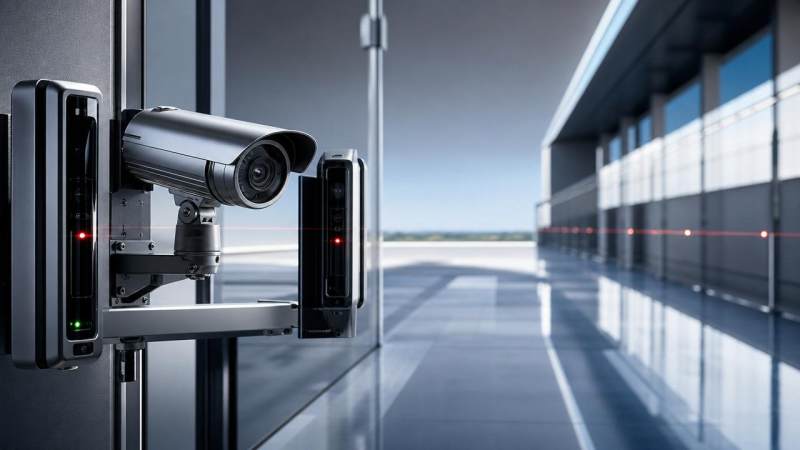
For users and operators managing modern security systems, false alarms waste time, reduce trust, and weaken response efficiency. Optical applications are becoming essential in solving this challenge by improving signal accuracy, environmental adaptation, and visual detection performance. As global safety standards and digital infrastructure continue to advance, understanding how optical technologies reduce false alarms is key to building smarter, more reliable detection systems.
Why do false alarms still happen in modern detection systems?
Many operators assume false alarms come only from poor device quality, but the real cause is usually more complex. In practice, false triggers often result from unstable light conditions, environmental interference, weak signal discrimination, improper sensor placement, and insufficient calibration between detection hardware and the optical environment.
This is where optical applications matter. They help systems distinguish between meaningful events and background noise by refining how light is emitted, received, filtered, and interpreted. For operators in public safety, smart construction, transport nodes, campuses, and mixed-use facilities, that difference directly affects response workload and incident accuracy.
- Ambient light fluctuation can confuse conventional sensors, especially near glass façades, reflective floors, or shifting daylight.
- Rain, dust, fog, insects, and heat shimmer can distort optical paths and create repeated nuisance signals.
- Poor lens selection reduces scene contrast, making video analytics misclassify movement or shape.
- Incorrect infrared intensity or beam alignment can cause unstable perimeter detection at night.
In the 2026 cycle of infrastructure modernization, these issues are gaining more attention because operators are being asked to manage larger networks with fewer staff. GSIM addresses this challenge by linking security policy, optical environment optimization, and practical deployment intelligence through its Strategic Intelligence Center.
What operators should diagnose first
Before replacing equipment, users should identify whether false alarms are driven by scene conditions, optical component mismatch, software thresholds, or maintenance gaps. This diagnostic order prevents unnecessary procurement and supports better selection decisions.
How optical applications reduce false alarms in real operating conditions
Optical applications reduce false alarms by improving signal quality before the alarm logic acts. That can include wavelength control, optical filtering, adaptive illumination, lens optimization, beam shaping, image enhancement, and better synchronization between sensors and analytics platforms.
Core optical mechanisms
- Optical filters block irrelevant light bands, reducing interference from sunlight, headlights, or industrial lighting.
- High-quality lenses improve edge clarity and contrast, helping video systems distinguish humans, vehicles, smoke, or debris.
- Infrared and visible illumination tuning supports stable detection across day-night transitions.
- Polarization and anti-glare design can reduce reflection-based misreads in glass-heavy or wet environments.
- Optical path alignment strengthens beam integrity in perimeter and access-control systems.
For users, the value is operational. Fewer nuisance alarms mean less alarm fatigue, more confidence in escalation rules, and faster verification. For procurement teams, better optical design often lowers hidden labor costs even when initial hardware prices are not the lowest.
Where the improvement is most visible
The strongest gains usually appear in complex outdoor zones, mixed-light indoor areas, and sites where AI vision tools depend on clean image inputs. Optical applications are especially effective when the alarm chain includes both detection and visual confirmation.
Which application scenarios benefit most from optical applications?
Different sites produce different false alarm patterns. Operators should match optical applications to the environment instead of treating all detection zones the same. The table below helps compare common scenarios and the optical priorities that most directly reduce false alarms.
This comparison shows why optical applications should be selected by scene behavior, not by generic specification sheets alone. GSIM’s Commercial Insights and trend analysis are useful here because they connect deployment context with current procurement logic across smart construction and public safety projects.
Scenario-specific implementation notes
In high-reflection areas, optical filtering and lens coating decisions often matter more than raw sensor resolution. In dusty or temporary sites, fast serviceability and recalibration procedures may outperform premium optics that require frequent specialist adjustment.
What technical parameters should users and operators check first?
When evaluating optical applications for alarm reduction, operators should avoid focusing only on megapixels or detection range. False alarm control depends on several interacting parameters, and weak performance in one area can undermine the rest of the system.
The following table outlines practical parameters that affect signal stability, image usability, and alarm reliability during daily operation and maintenance.
Users should translate these parameters into operational questions: Can the system hold performance at dusk? Does the scene include reflective metal or glass? How often will the optical surface need cleaning? A strong procurement process turns optical data into maintenance planning, not just technical approval.
A quick operator checklist
- Review the alarm logs by time, weather, and lighting condition before selecting upgrades.
- Map nuisance events to specific zones, camera angles, beam lines, or access points.
- Confirm whether the optical application must support AI analytics, simple triggering, or both.
- Ask suppliers for calibration guidance, not only product catalogs.
How to compare solution options without overbuying
A common mistake is buying the most advanced optical package for every zone. In reality, the right decision depends on alarm criticality, environmental complexity, staffing level, and maintenance discipline. The most expensive option may not produce the best operating result if the site cannot support ongoing calibration.
This comparison table can help operators and purchasing teams align optical applications with practical deployment needs.
The most balanced route for many sites is a layered approach. Upgrade optics first in the noisiest zones, validate alarm reduction, then decide whether broader AI or VLC-linked evolution is justified. GSIM’s Evolutionary Trends reporting is useful for this phased strategy because it helps teams avoid short-term fixes that conflict with future infrastructure plans.
Cost questions that matter more than unit price
- How many operator hours are currently spent handling nuisance alarms per week?
- Will the optical application reduce dispatches, manual reviews, or rechecks?
- Does the site need frequent cleaning, realignment, or lens replacement?
- Can the new system fit existing compliance and reporting requirements without extra redesign?
What standards, compliance, and implementation risks should be considered?
False alarm reduction is not only a technical issue. It also affects reporting credibility, response procedures, and legal defensibility in regulated environments. For surveillance and public protection systems, users should review applicable electronic surveillance rules, installation guidance, and data handling expectations in their region.
Practical compliance points
- Confirm whether optical changes alter monitored coverage, retention practices, or evidence quality requirements.
- Check if infrared or illumination adjustments affect worker safety rules or public-facing installation restrictions.
- Document calibration settings and change history to support incident review and audit readiness.
- Review interoperability with existing VMS, analytics engines, and access systems before ordering equipment.
GSIM’s Strategic Intelligence Center is valuable for operators who need more than product information. By combining latest sector news, policy interpretation, and commercial insight, it supports decisions that are technically sound and aligned with emerging cross-border compliance expectations.
FAQ: what users and operators ask before upgrading optical applications
Are optical applications only useful for camera-based systems?
No. Optical applications are relevant to video surveillance, active infrared barriers, photoelectric detection, occupancy sensing, access verification, and hybrid systems that combine beam interruption with visual confirmation. The exact optical method changes, but the objective is the same: reduce noise and improve event discrimination.
How do I know whether the problem is optics or analytics?
Start with alarm patterns. If false alarms spike during glare, dusk, rain, or reflection events, optics are likely a major factor. If nuisance alarms happen even with stable scenes, then threshold settings, object classification, or workflow rules may be the bigger issue. In many sites, both need adjustment together.
What should be prioritized when budget is limited?
Prioritize the zones with the highest nuisance alarm burden and the greatest operational consequence. A targeted optical application upgrade in one problematic perimeter or entrance can often deliver more value than a broad but shallow system refresh across the whole site.
How long does implementation usually take?
That depends on site complexity, integration scope, and whether mounting, power, and network conditions already exist. Small optical adjustments may be completed during maintenance windows, while larger zone redesigns require survey, validation, and acceptance testing. Operators should ask for a phased schedule with commissioning checkpoints.
Why choose us for optical application decisions and next-step planning?
GSIM helps users and operators move beyond generic product comparison. Our role is to connect global protection demands with practical optical decision-making, so your team can reduce false alarms without losing sight of standards, future scalability, or procurement timing.
You can contact us to discuss specific points that directly affect deployment outcomes:
- Parameter confirmation for difficult scenes such as glare zones, dusty sites, or mixed indoor-outdoor transitions.
- Product and solution selection based on alarm logs, target type, verification workflow, and maintenance capability.
- Delivery timing and phased rollout planning for public safety projects, smart construction sites, and infrastructure upgrades.
- Customized optical application strategy that supports current detection needs while preparing for AI vision or VLC-linked evolution.
- Certification and compliance discussion based on regional surveillance expectations and project documentation needs.
- Sample evaluation, quotation communication, and decision-support input from GSIM’s Strategic Intelligence Center.
If your current system produces too many nuisance events, the next step should not be guesswork. A structured review of optical applications, scene conditions, and operating goals can reveal where false alarms begin and how to reduce them with confidence. GSIM is ready to support that evaluation with insight, comparison logic, and implementation-oriented guidance.
- optical environment optimization
- digital infrastructure
- strategic intelligence center
- electronic surveillance
- AI vision
- smart construction sites
- public safety projects
- global protection demands
- sector news
- evolutionary trends
- commercial insights
- optical applications
- security systems
- optical design
- protection demands
The VitalSync Intelligence Brief
Receive daily deep-dives into MedTech innovations and regulatory shifts.