
Security
Vietnam Tightens PPE Import Rules With MOH Approval
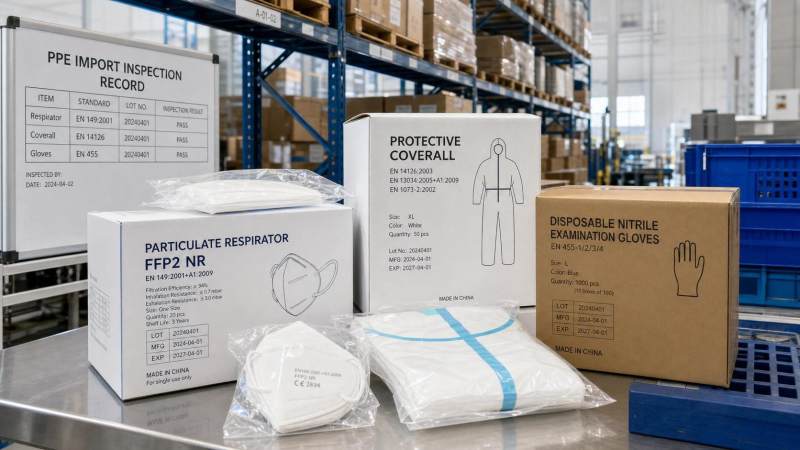
On July 12, 2026, Vietnam’s Ministry of Health (MOH) issued Circular 18/2026/TT-BYT, introducing a new compliance threshold for imported respiratory products, safety wear, and other PPE gear. From October 15, 2026, these products will no longer rely only on TCVN certification; they must also obtain MOH medical device safety certification and carry a Vietnamese compliance label on the smallest sales unit. This matters for importers, exporters, distributors, procurement teams, certification service providers, and supply chain operators because the rule change affects market entry, documentation, labeling, and delivery readiness at the same time.
A Clear Shift in the Import Compliance Basis
The confirmed change is straightforward. Circular 18/2026/TT-BYT was issued by Vietnam’s MOH on July 12, 2026. It states that, effective October 15, 2026, all imported respiratory products, safety wear, and PPE gear must obtain MOH medical device category safety certification. The rule also requires a Vietnamese compliance label on the smallest sales unit, and that label must include manufacturer information, the applicable standard, and the expiry date. Before this change, the products concerned only needed certification under TCVN.
Where the Rule Change Will Be Felt First
Import transactions now face an added compliance gate
From an industry perspective, direct trading companies and importers are likely to feel the impact first because the new requirement changes the condition for placing covered PPE products into the Vietnamese market. The practical effect is not limited to certification alone; it also reaches product presentation at the unit level through mandatory Vietnamese labeling. Companies handling import declarations, product onboarding, and local distribution will need to pay close attention to whether certification status and labeling readiness move in step.
Export-side preparation becomes more document-driven
For exporters and manufacturing suppliers, the change matters because the product file now needs to support MOH medical device safety certification rather than only the earlier TCVN-based pathway. What deserves closer attention is the likely need to align product documentation, technical descriptions, and packaging details with the new approval and labeling expectations. Even where production itself does not change, the documents supporting shipment and market access may now require earlier review.
Packaging and channel operations may face adjustment pressure
Distributors, channel operators, and fulfillment partners may be affected through packaging control and unit-level compliance handling. Because the Vietnamese label must appear on the smallest sales unit and include specific content, the operational pressure may fall on packaging workflows, stock preparation, and delivery sequencing. Businesses involved in retail packaging, repacking, or local circulation should watch closely for how the new label requirement is applied in practice.
Certification and testing support roles may see tighter coordination demands
Certification-related service providers and testing support organizations may also be drawn more directly into transaction planning. Analysis shows that once MOH medical device safety certification becomes a market-entry condition, businesses may need closer coordination between technical files, test materials, regulatory submissions, and shipment schedules. The rule change therefore has implications beyond regulatory teams alone and may affect the timing of commercial execution.
What Companies Should Review Before the Effective Date
Check whether current product scope falls within the covered categories
Companies dealing in respiratory products, safety wear, or PPE gear should first confirm whether their imported items fall within the categories named in the circular. This is a basic but necessary compliance review, because the practical burden begins with whether a product is treated as covered by the new requirement from October 15, 2026.
Reassess certification pathways and supporting files
Observably, the main operational change is the move from a TCVN-only basis to a framework that also requires MOH medical device safety certification. Businesses should therefore review whether existing technical files, product specifications, declarations, and supporting materials are sufficient for the new approval path. The input provided does not include detailed execution procedures, so this should currently be treated as an area requiring continued follow-up rather than a settled process.
Review smallest-unit packaging and Vietnamese label readiness
The labeling requirement deserves separate attention because it applies to the smallest sales unit and specifies core information that must be shown in Vietnamese, including manufacturer information, the applicable standard, and the expiry date. Companies should examine whether packaging design, printing control, and inventory planning can accommodate this without disrupting normal shipment and delivery arrangements.
Watch for downstream changes in procurement and tender language
What deserves closer attention is how buyers, distributors, and channel partners may begin reflecting the new requirement in procurement documents, acceptance conditions, and supply qualifications. Since the input does not provide implementation guidance, companies should not assume that market practice is already uniform. Instead, they should monitor official wording, transaction requirements, and counterpart requests as the effective date approaches.
Why This Reads as More Than a Formal Update
Analysis shows that this is not just a routine wording revision. The rule changes both the certification basis and the labeling condition for imported PPE categories named in the circular. That means the compliance threshold is moving closer to a medical-device-style safety approval model for the covered imports. At the same time, it is more appropriate to understand this as a confirmed rule change with execution details still worth watching, rather than as a fully settled enforcement picture. The market will likely need to observe how certification interpretation, documentation expectations, and packaging checks are applied in actual transactions.
How the Market Should Read the Signal
At this stage, the development is best understood as a concrete compliance change with direct implications for import readiness, product labeling, and document preparation. It does not yet support broad conclusions beyond the facts provided, but it clearly signals that affected PPE imports into Vietnam will face a higher market-entry requirement from October 15, 2026. For industry participants, the practical question is less whether the rule matters and more how quickly internal certification, labeling, and supply planning can be aligned with it.
Basis of This Article and What Still Needs Verification
This article is based on the user-provided news title, event date, and event summary. For developments of this kind, commonly relevant source types may include official regulatory notices, ministry publications, customs or trade administration updates, industry association notices, standards documents, and reporting by authoritative trade media. A specific official source link was not provided in the input, so that point still requires continued verification. Subsequent observation should focus on any detailed implementation language, certification interpretation, procurement document changes, market feedback, and how affected companies execute the new requirement in practice.
The VitalSync Intelligence Brief
Receive daily deep-dives into MedTech innovations and regulatory shifts.