
Security
Why Protection Demands Are Reshaping Anti-theft Systems
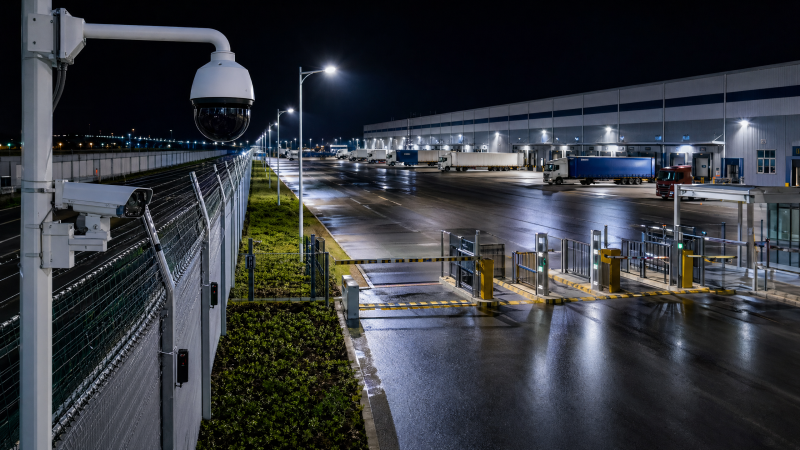
As protection demands accelerate across industries, anti-theft systems are evolving from basic deterrence into data-driven urban security solutions. For researchers, buyers, and decision-makers, understanding global security trends, risk foresight, and security forecasting is now essential. Powered by optical intelligence and cutting-edge optical technology, this shift is also reshaping how public safety projects align with global protection demands and a transparent knowledge system.
Across logistics hubs, campuses, utility sites, retail estates, transport corridors, and smart construction projects, theft risk is no longer assessed only by perimeter weakness or guard coverage. It is now measured against downtime exposure, compliance obligations, incident traceability, and the ability to connect detection with response in less than 30–120 seconds. That change is pushing anti-theft systems from standalone hardware into integrated risk-management infrastructure.
For procurement teams, technical evaluators, operators, project managers, and distributors, the main question is not whether to deploy anti-theft technology, but how to choose systems that remain effective across 3–5 years of policy changes, digital upgrades, and operational expansion. This is where platforms such as GSIM add value by connecting protection demand, optical environment optimization, and implementation intelligence into practical decision support.
Why Anti-theft Systems Are Moving Beyond Basic Intrusion Alarms
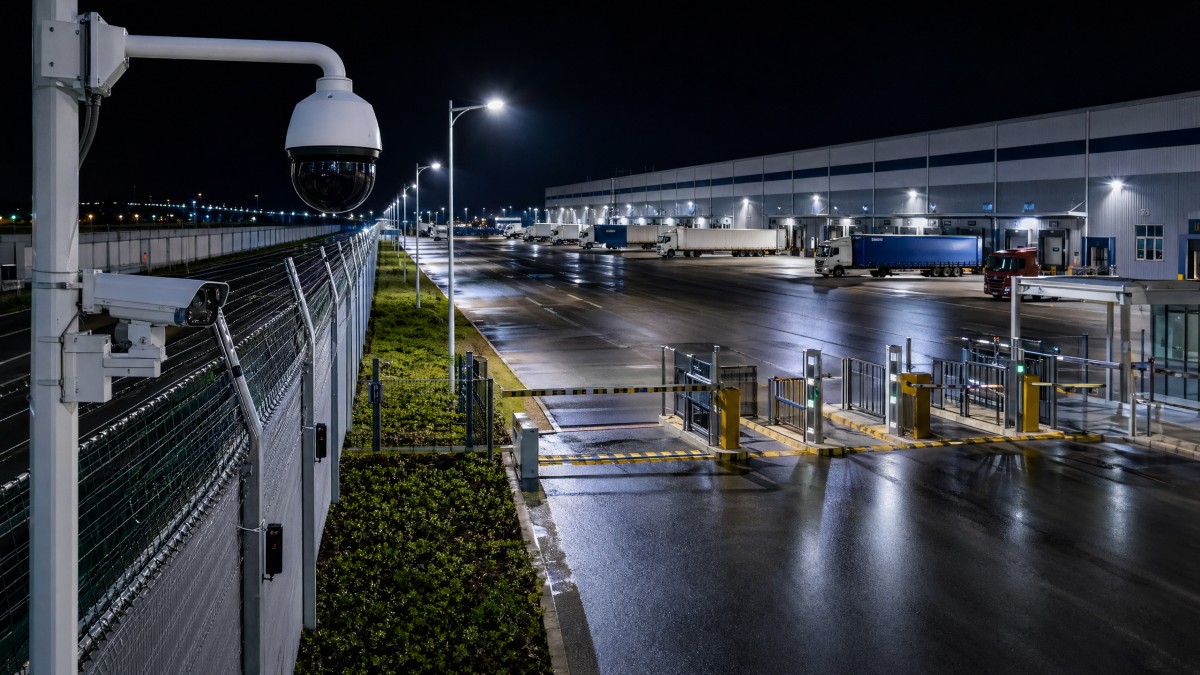
Traditional anti-theft systems were designed around a simple chain: detect forced entry, trigger an alarm, and rely on human response. In many sectors, that model is no longer enough. Multi-site operators now face layered risks including perimeter breaches, asset diversion, equipment tampering, cable theft, access misuse, and nighttime material loss. A single blind spot of 10–20 meters can create a major liability if the site contains critical infrastructure or regulated operations.
Another reason for change is the growth of mixed-use security environments. A warehouse may need license plate capture at entry, thermal or low-light monitoring around storage yards, and access-event correlation inside restricted zones. A smart city project may require anti-theft coverage that works alongside street lighting, AI video analytics, and public safety communications. In these environments, isolated devices increase false alarms, slow response, and raise maintenance complexity.
The role of optical intelligence is becoming central. Better illumination planning, image clarity, scene contrast, and adaptive visibility directly affect how well a system can distinguish suspicious activity from normal movement. When low-light video quality improves by even one operational tier, operators can reduce manual verification time and improve event confidence before dispatching security teams or law-enforcement partners.
Key Drivers Behind the Shift
- Higher asset concentration in fewer sites, where one incident can interrupt 24–72 hours of operations.
- More compliance pressure around surveillance retention, access logging, and incident review.
- Greater demand for remote monitoring across regional and cross-border facility networks.
- Stronger integration between lighting systems, AI vision, edge devices, and command platforms.
Operational Impact of Legacy vs. Intelligent Systems
The table below highlights why legacy anti-theft design often underperforms in modern environments and where integrated systems create measurable operational improvement.
The main takeaway is that anti-theft performance now depends on system coordination rather than device quantity alone. Buyers who compare only camera count, alarm volume, or guard headcount may miss the larger issue: whether the system can transform detection into timely, reliable action under real operating conditions.
How Protection Demands Differ Across Industry Scenarios
Although the need for anti-theft systems is universal, risk profiles vary sharply by scenario. A data center prioritizes restricted access, cabinet tamper visibility, and uninterrupted audit trails. A construction site focuses on temporary perimeters, mobile assets, material storage, and rapid deployment. Retail and commercial properties may prioritize after-hours intrusion detection, cash-handling zones, and parking-area visibility. These differences affect sensor layout, lighting design, retention settings, and response workflows.
For technical assessment teams, this means system design should begin with a 4-part review: asset value, site openness, environmental visibility, and response capability. A remote utility substation with a 20-minute patrol window requires a different anti-theft logic than a staffed transport hub with live operators. The more distributed the site network, the more important centralized dashboards, event prioritization, and standard operating procedures become.
GSIM’s role is especially relevant in this stage because strategic intelligence is no longer separate from equipment planning. Compliance shifts, surveillance restrictions, procurement cycles, and public safety policy updates can all alter what is considered fit-for-purpose. Decision-makers therefore need both field-level system criteria and a broader view of global security trends.
Typical Protection Priorities by Environment
The following matrix can help project leaders and buyers match anti-theft priorities to operational environments before issuing specifications or tender documents.
This comparison shows why a one-size-fits-all anti-theft package rarely performs well. Even when two sites have similar budgets, the right allocation of cameras, perimeter sensors, illumination, storage retention, and remote monitoring support can differ by 30–50% depending on terrain, asset exposure, and staffing model.
Scenario Review Checklist
- Map critical assets and classify them into 3 risk levels: high, medium, and routine exposure.
- Measure vulnerable operating windows, such as shift changes, weekends, or low-occupancy hours.
- Assess visibility conditions across daytime, dusk, and nighttime environments.
- Confirm response resources, including on-site staff, remote operators, and local escalation contacts.
Completing these 4 steps before procurement reduces redesign work later and improves the match between security investment and real theft exposure.
What Buyers and Technical Teams Should Evaluate Before Procurement
Procurement decisions often fail when teams focus too heavily on headline specifications and too little on operational compatibility. A camera with high nominal resolution may still underperform if the site has poor lighting uniformity, reflective surfaces, or unstable network bandwidth. Likewise, a perimeter alarm system may appear cost-effective at purchase but generate excessive false alerts if it is not tuned for wind, vegetation movement, or vehicle adjacency.
A practical anti-theft evaluation should cover at least 6 dimensions: detection accuracy, low-light performance, integration depth, storage retention, maintainability, and compliance fit. For many B2B projects, storage planning alone can change total cost materially. A 30-day retention target requires different infrastructure from a 90-day evidentiary model, especially when multiple streams, event bookmarks, or remote access features are involved.
Procurement and commercial assessment teams should also compare solution lifespan. Some lower-cost deployments appear attractive in year 1 but require major replacement or compatibility work within 18–24 months. By contrast, scalable systems with open integration pathways may support phased expansion across 2–3 additional sites without complete redesign. That difference matters for distributors, enterprise buyers, and project owners planning future upgrades.
Core Evaluation Criteria
- Detection reliability: Can the system distinguish intrusion, loitering, tamper events, and asset removal attempts under varying weather and lighting conditions?
- Optical suitability: Does the image remain usable at night, at perimeter distance, and in mixed-brightness scenes?
- Integration readiness: Can it connect with access control, public lighting, command platforms, or AI analytics modules?
- Support model: Are maintenance intervals, firmware updates, and spare-part planning realistic for the site network?
Sample Procurement Decision Framework
The table below offers a procurement-oriented scoring structure that can be adapted by enterprises, public projects, or channel partners during tender review and technical comparison.
Using a structured framework like this helps teams avoid price-led decisions that ignore operational cost. In many projects, the more durable decision is the one that lowers incident review time, reduces nuisance alerts, and supports future integration rather than simply minimizing initial spend.
Implementation, Risk Control, and the Role of Intelligence Platforms
Even well-selected anti-theft systems can underperform if implementation is rushed. A reliable deployment usually follows 5 stages: site survey, risk zoning, design validation, installation and tuning, then acceptance and training. Depending on project scale, this process may take 2–4 weeks for a compact site or 6–12 weeks for a distributed, multi-zone environment with integration requirements.
Risk control during implementation should focus on three areas. First, coverage gaps caused by poor camera height, wrong beam alignment, or inconsistent illumination. Second, data and compliance issues such as retention policy mismatch, access privilege gaps, or undocumented event handling. Third, operational adoption: if operators do not understand alert priority, escalation thresholds, or maintenance checks, system quality will decline quickly after handover.
This is where strategic intelligence platforms matter. GSIM’s Strategic Intelligence Center supports decision-makers by translating global policy movement, optical technology trends, and commercial procurement signals into planning inputs. For example, if a region tightens surveillance rules or a smart infrastructure program increases demand for AI-enabled low-light coverage, that insight can affect product selection, deployment architecture, and distributor inventory planning before the market fully shifts.
Common Implementation Mistakes
- Using identical anti-theft layouts across sites with different terrain, lighting, and operating hours.
- Underestimating storage and network load when moving from event-only recording to continuous plus event-linked retention.
- Skipping operator training, resulting in missed alarms, poor evidence handling, and inconsistent escalation.
- Separating lighting design from video planning, which weakens nighttime verification quality.
Implementation Priorities for Project Managers
Project leaders should define acceptance standards early. In practice, these often include 3 categories: detection performance, image usability, and workflow response. A system that detects movement but cannot support usable review footage does not fully meet anti-theft objectives. Likewise, a technically capable platform still fails if alarms are not routed to the correct team within the expected response window.
For quality control and safety managers, periodic reviews every 30, 60, or 90 days are recommended after commissioning. These reviews should test zone coverage, alert accuracy, maintenance logs, and incident replay quality. That routine creates a feedback loop between field performance and future procurement strategy, which is especially useful for enterprises expanding across multiple projects or countries.
FAQ: Practical Questions About Modern Anti-theft System Selection
How do I know whether a site needs a basic or integrated anti-theft system?
A basic setup may suit a small, low-complexity site with limited access points, stable lighting, and on-site staff. An integrated anti-theft system is usually the better choice when the site has more than 2–3 critical zones, remote oversight needs, low-light exposure, or a requirement to connect video, access control, and alarm logic. The more expensive the downtime or asset loss, the more valuable integrated verification becomes.
What retention period is commonly planned for anti-theft video and event records?
Many projects work within a 30–90 day planning range, but the right target depends on internal investigation cycles, customer requirements, and local regulatory expectations. High-risk infrastructure, public safety projects, or cross-site operations may need longer retention for event reconstruction. Storage planning should therefore be tied to recording mode, resolution, event density, and remote review requirements rather than a generic number alone.
Which indicators matter most during procurement?
Focus on 4 practical indicators: nighttime image usability, false alarm management, integration flexibility, and lifecycle support. Price still matters, but it should be compared against expected service life, maintenance burden, and the operational cost of missed or low-confidence alerts. For distributors and agents, platform compatibility and support continuity are also essential because they affect service commitments after delivery.
How long does deployment usually take?
A compact anti-theft rollout may take 7–15 days if there are few integration points and existing infrastructure is ready. Larger environments with multiple zones, custom monitoring logic, and optical redesign may need 4–12 weeks. The timeline is shaped less by device installation alone and more by survey accuracy, permissions, wiring conditions, platform testing, and operator training.
Protection demands are reshaping anti-theft systems because organizations now expect more than alarms: they expect visibility, verification, compliance readiness, and scalable risk control. Across industries, the strongest solutions are those that align optical conditions, response workflows, and intelligence-led planning rather than treating theft prevention as a hardware-only task.
For researchers, procurement teams, project leaders, and security managers, the next step is to evaluate anti-theft systems through a wider lens that includes scenario fit, low-light performance, lifecycle efficiency, and policy awareness. GSIM supports that process by linking global security insight with practical decision guidance for physical security assurance and optical environment optimization.
If you are planning a new deployment, upgrading a public safety project, or reviewing procurement strategy for a distributed site network, now is the time to get a tailored solution path. Contact us to explore detailed anti-theft options, compare implementation models, and learn more about solutions shaped by real protection demand and future-ready security intelligence.
- physical security assurance
- optical environment optimization
- strategic intelligence center
- optical technology
- AI vision
- smart construction sites
- public safety projects
- knowledge system
- security solutions
- urban security
- security intelligence
- cutting-edge optical technology
- global protection demands
- global security trends
- optical design
- risk foresight
- urban security solutions
- transparent knowledge system
- protection demands
- global security
- security trends
- security forecasting
- optical intelligence
The VitalSync Intelligence Brief
Receive daily deep-dives into MedTech innovations and regulatory shifts.