
Security
How Critical Infrastructure Protection Solutions Reduce Downtime Risk
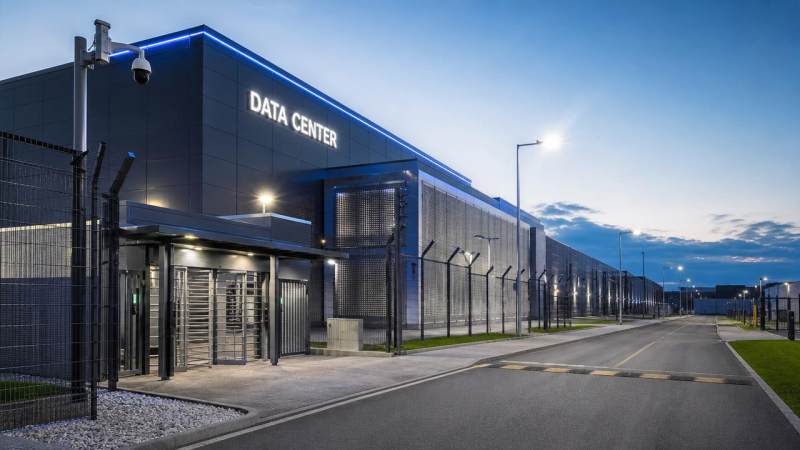
As digital infrastructure grows more interconnected, even brief disruptions can trigger operational loss, compliance exposure, and public safety concerns. Critical infrastructure protection solutions help enterprise decision-makers reduce downtime risk by strengthening physical security, improving threat visibility, and aligning resilience strategies with evolving standards. For organizations navigating complex upgrades, understanding these solutions is becoming essential to protecting continuity and long-term value.
Why downtime risk is no longer just an IT problem
For enterprise decision-makers, downtime used to be framed mainly as a cybersecurity or server availability issue. That view is no longer sufficient. In industrial parks, data centers, logistics hubs, public venues, utilities, and smart construction environments, business continuity now depends on the interaction between physical security, environmental visibility, access control, surveillance integrity, lighting conditions, and operational response speed.
This is why critical infrastructure protection solutions matter. They reduce the likelihood that a single incident, such as unauthorized entry, camera blind spots, poor perimeter illumination, power disruption, or delayed incident verification, escalates into a costly shutdown. For organizations under pressure to modernize assets while meeting compliance obligations, resilience must be designed across systems rather than purchased as isolated equipment.
GSIM positions this challenge in a practical way. Its Strategic Intelligence Center connects security policy developments, optical technology trends, and procurement intelligence, helping decision-makers move beyond fragmented buying decisions. That matters in 2026, when digital infrastructure upgrades increasingly involve both security assurance and optical environment optimization.
- A physical breach can interrupt production, damage equipment, or force a compliance review.
- Inadequate illumination can reduce video accuracy, delay detection, and weaken incident evidence.
- Poorly integrated systems increase operator workload and slow response during high-risk events.
- Unclear procurement criteria often produce overspending in low-risk areas while leaving critical vulnerabilities unresolved.
What critical infrastructure protection solutions actually include
A common mistake is to treat critical infrastructure protection solutions as a synonym for cameras or perimeter fencing. In practice, the term covers a coordinated framework for protecting assets whose disruption would affect operations, safety, service delivery, or regulatory standing. The exact mix varies by site, but the objective is consistent: prevent incidents, detect anomalies early, support rapid response, and preserve continuity.
Core solution layers
- Perimeter protection, including intrusion detection, barriers, access points, and monitored boundaries.
- Electronic surveillance, such as fixed and intelligent video systems that support detection, verification, and forensic review.
- Optical environment design, where lighting quality directly affects visibility, camera performance, and safe movement.
- Access control and identity management for staff, contractors, visitors, and restricted zones.
- Monitoring and response workflows that define alarm routing, escalation, and incident handling.
- Compliance mapping to local regulations, industry standards, and procurement documentation requirements.
What differentiates a mature strategy from a basic deployment is not simply device count. It is the coherence of the system. GSIM’s value lies in helping buyers interpret where policy, surveillance technology, and lighting performance intersect. That perspective is especially useful when projects span multiple jurisdictions or when public safety expectations are tied to both security and visual performance.
Which downtime risks are most relevant across complex operating environments?
Enterprise leaders often face the same question: which risks justify immediate investment, and which can be addressed later? The answer depends on how operational disruption occurs at the site level. The table below organizes common downtime drivers and shows how critical infrastructure protection solutions reduce exposure in practical terms.
The key takeaway is that downtime risk is cumulative. A site rarely fails because one device underperforms in isolation. Failure usually emerges when visibility, access, and response controls are misaligned. That is why decision-makers should evaluate critical infrastructure protection solutions as an operational resilience investment, not a one-line security purchase.
Where these solutions create the most value
Not every facility requires the same architecture. However, several environments consistently benefit from integrated critical infrastructure protection solutions because their downtime costs are high and their exposure patterns are complex.
High-priority application scenarios
- Data centers: Need strict perimeter control, rapid incident verification, protected access paths, and dependable visibility in exterior and service areas.
- Smart construction sites: Face changing perimeters, mixed worker populations, temporary assets, and elevated theft and safety risks.
- Logistics and warehousing: Require control over vehicle flow, loading bays, after-hours activity, and inventory-sensitive zones.
- Public safety infrastructure: Depends on clear surveillance imagery, compliant monitoring practices, and reliable detection in variable lighting conditions.
- Utilities and distributed facilities: Need scalable approaches for remote sites, perimeter exposure, and low-occupancy environments.
GSIM’s Commercial Insights capability is especially relevant in these sectors because procurement decisions are often influenced by regulatory interpretation, vendor maturity, and future interoperability. Buyers are not only asking what works today. They are asking what will remain supportable, compliant, and operationally relevant over the next upgrade cycle.
How to compare solution options before committing budget
Budget pressure does not remove the need for resilience. It simply raises the cost of poor prioritization. Many organizations compare bids primarily on hardware count or upfront price, but this often hides the factors that determine whether critical infrastructure protection solutions will actually reduce downtime risk.
The following comparison framework helps enterprise buyers assess options more realistically.
This comparison is where GSIM’s intelligence-led approach becomes useful. Instead of relying only on vendor claims, buyers can evaluate technology fit through the lens of standards, optical performance trends, and market movement. That makes procurement conversations more evidence-based and less reactive.
What technical factors should decision-makers examine first?
When reviewing critical infrastructure protection solutions, executives do not need to become engineers. They do, however, need a disciplined shortlist of technical factors that affect downtime exposure, deployment speed, and life-cycle cost.
Priority assessment checklist
- Define the operational consequence of failure for each protected zone. A loading yard and a server room should not receive identical design assumptions.
- Verify whether surveillance performance is realistic under actual site lighting, weather, and movement conditions, not just laboratory specifications.
- Review integration requirements between cameras, access control, alarms, and monitoring interfaces before procurement approval.
- Check maintainability, including replacement lead times, firmware support expectations, and documentation completeness.
- Assess whether the solution supports phased rollout, especially when budgets are allocated by quarter or by site group.
The optical layer deserves special attention. In many projects, camera quality is overemphasized while scene illumination is underplanned. Yet poor optical conditions can undermine analytics accuracy, human verification, and incident recording. GSIM’s focus on optical environment optimization helps organizations evaluate this overlooked factor more rigorously.
How compliance and standards influence uptime strategy
Compliance is often treated as a documentation exercise that happens near project completion. In reality, standards and regulatory expectations shape architecture decisions from the beginning. This is particularly true in electronic surveillance, public-facing environments, and infrastructure projects exposed to cross-border procurement or multi-stakeholder governance.
Common compliance considerations
- Data handling and retention rules for recorded surveillance content.
- Visibility and coverage expectations in public safety or critical operational zones.
- Electrical, environmental, or installation conformity requirements for deployed devices.
- Documentation needed for procurement review, contractor coordination, and audit readiness.
GSIM’s Strategic Intelligence Center is relevant here because it translates policy movement into practical implications for buyers. That is valuable when legal interpretation changes faster than typical procurement cycles. Decision-makers can then align critical infrastructure protection solutions with evolving standards before compliance gaps become project delays or post-installation liabilities.
Common procurement mistakes that increase downtime risk
Many projects fail not because organizations ignore risk, but because they buy in the wrong sequence. A procurement process that focuses only on immediate price reduction can increase total exposure over the system life cycle.
Mistakes to avoid
- Choosing isolated devices without validating interoperability across access, surveillance, and monitoring functions.
- Assuming standard lighting is adequate for surveillance-grade visibility in exterior or low-light environments.
- Delaying compliance review until installation planning is already underway.
- Using a single specification across sites with different threat patterns, traffic flows, and public exposure.
- Ignoring serviceability, spare planning, and supply continuity during vendor comparison.
A stronger approach is to rank zones by downtime consequence, define detection and response needs for each zone, and then match solution depth to business impact. This prevents overbuilding low-risk areas while underprotecting assets that truly drive operational continuity.
FAQ: practical questions enterprise buyers ask
How do I know if critical infrastructure protection solutions are necessary for my facility?
If a physical incident, visibility failure, or access breach could interrupt operations, trigger safety exposure, or delay service delivery, the answer is usually yes. The more interconnected the site is with digital systems, public access, contractors, or distributed assets, the more valuable an integrated protection approach becomes.
What should be prioritized first when budget is limited?
Start with the zones where downtime consequences are highest. In many facilities, that means perimeter entry points, restricted operational rooms, loading areas, exterior surveillance blind spots, and monitoring workflows. Early improvements in these areas often reduce risk more effectively than broad but shallow equipment rollout.
Are critical infrastructure protection solutions only for large public projects?
No. Large public projects often make the need more visible, but private enterprises also face downtime, liability, and compliance pressures. Warehouses, campuses, data facilities, manufacturing support sites, and temporary smart construction environments can all benefit when operational continuity depends on reliable site protection.
How long does evaluation and deployment usually take?
It depends on site complexity, integration scope, and compliance review requirements. A focused assessment can begin quickly, but full deployment may require phased planning across design validation, specification review, procurement alignment, and implementation scheduling. Buyers should ask early about documentation lead times, compatibility checks, and staged rollout options.
Why decision intelligence matters as much as hardware
The strongest critical infrastructure protection solutions are not selected by catalog browsing alone. They are shaped by intelligence: policy direction, market movement, optical performance trends, and procurement timing. That is why platforms like GSIM are increasingly important to enterprise decision-makers. They help organizations connect standards awareness with real buying decisions and reduce the risk of fragmented upgrades.
GSIM’s combination of Latest Sector News, Evolutionary Trends reporting, and Commercial Insights supports a more strategic selection process. For buyers facing tight timelines, uncertain regulations, or mixed-use environments, that guidance can improve clarity on solution architecture, supplier evaluation, and future-readiness.
Why choose us for guidance on critical infrastructure protection solutions
GSIM helps enterprise teams make better protection decisions by linking physical security assurance with optical environment optimization. Instead of treating compliance, surveillance, and lighting as separate conversations, we support a more connected view of resilience that reflects how downtime risk actually develops in modern infrastructure.
You can consult GSIM for practical decision support on:
- Parameter confirmation for surveillance visibility, perimeter coverage, and zone protection priorities.
- Product and solution selection based on application scenario, compliance expectations, and upgrade roadmap.
- Delivery cycle planning for phased deployment across multiple facilities or project stages.
- Customized方案 discussions for mixed environments such as smart construction, logistics, public safety, or digital infrastructure sites.
- Certification and documentation considerations relevant to electronic surveillance and infrastructure procurement.
- Quotation communication, solution comparison, and sourcing insights informed by global market intelligence.
If your organization is reviewing critical infrastructure protection solutions to reduce downtime risk, GSIM can help you clarify requirements before costly assumptions are locked into procurement. The earlier the assessment begins, the easier it is to align protection strategy, operational continuity, and long-term investment value.
- physical security assurance
- optical environment optimization
- digital infrastructure
- strategic intelligence center
- optical technology
- electronic surveillance
- smart construction sites
- sector news
- evolutionary trends
- commercial insights
- critical infrastructure protection
- critical infrastructure protection solutions
The VitalSync Intelligence Brief
Receive daily deep-dives into MedTech innovations and regulatory shifts.