
Security
Security Knowledge Gaps That Lead to Repeated Site Incidents
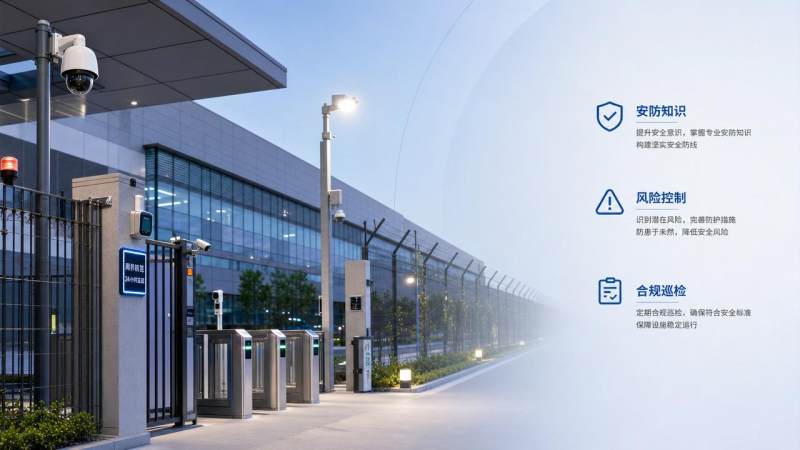
Repeated site incidents rarely begin with one broken device or one missed patrol. They usually expose weak security knowledge across planning, compliance, communication, and field judgment.
When these gaps remain uncorrected, the same failures return in different forms. Access breaches, blind surveillance zones, poor lighting response, and delayed escalation become recurring operational risks.
In a period shaped by digital infrastructure expansion and urban safety upgrades, better security knowledge is no longer optional. It is a practical foundation for safer sites, clearer accountability, and stronger resilience.
For organizations aligning with global standards, platforms such as GSIM help connect physical security assurance with optical environment optimization. That link matters because visibility, compliance, and incident control now intersect more than ever.
Understanding Security Knowledge in Site Risk Control
Security knowledge is more than awareness of threats. It includes the ability to identify hazards, interpret standards, assess vulnerabilities, and act correctly under operational pressure.
In site environments, security knowledge often combines four dimensions. These dimensions shape whether controls are preventive, reactive, or merely symbolic.
- Risk recognition, including perimeter threats, insider exposure, and environmental blind spots
- Compliance knowledge, including surveillance law, recordkeeping, and duty-of-care obligations
- Technical understanding, covering cameras, alarms, access systems, and lighting performance
- Decision discipline, including escalation timing, incident reporting, and corrective action logic
When one dimension is weak, site controls become inconsistent. When several are weak, repeated incidents become highly likely, even if budgets and equipment appear sufficient.
This is why security knowledge should be treated as an operating capability. It supports physical protection, documentation quality, and better coordination between security and illumination systems.
Why Knowledge Gaps Cause Repeated Incidents
Repeated incidents usually signal pattern blindness. Teams may respond to outcomes, yet fail to understand the underlying conditions that made those outcomes repeatable.
Several common security knowledge gaps explain this cycle. Each one weakens prevention and reduces the value of post-incident reviews.
Incomplete Risk Assessment
Some assessments focus only on theft or intrusion. They miss temporary layouts, contractor movement, low-light transitions, and vulnerable delivery windows.
Weak Compliance Interpretation
Rules may exist, yet staff may not understand how to apply them. This leads to camera misuse, poor retention practices, and unclear authority during investigations.
Overreliance on Hardware
Equipment alone cannot replace security knowledge. A high-resolution camera adds little value if placement, lighting angle, and incident response procedures are poorly defined.
Fragmented Site Communication
Recurring failures often occur when logs, shift handovers, and corrective actions are disconnected. Critical observations remain local instead of becoming institutional knowledge.
Limited Learning After Incidents
Many reviews stop at direct causes. They rarely test assumptions about visibility, training adequacy, or whether operating procedures matched real site conditions.
Current Industry Signals Increasing the Importance of Security Knowledge
Across industries, security environments are becoming more interconnected. Digital infrastructure, stricter regulation, and smarter facilities increase both capability and complexity.
This trend makes security knowledge central to operational quality. The following signals are now shaping site protection expectations worldwide.
GSIM’s intelligence model is especially relevant in this context. It helps translate policy, technology, and procurement trends into practical security knowledge for real operating environments.
Business Value of Closing Security Knowledge Gaps
Improved security knowledge delivers value beyond incident reduction. It strengthens governance, protects continuity, and supports more reliable decision-making across complex sites.
- Fewer repeated incidents through better root-cause recognition
- Stronger compliance confidence during audits and investigations
- More effective use of surveillance and illumination assets
- Faster response times through clearer escalation logic
- Higher evidence quality for incident review and accountability
- Better coordination between site safety, security, and operations
In practical terms, security knowledge reduces avoidable friction. Teams spend less time repeating corrections and more time improving site resilience in a structured way.
Typical Site Scenarios Where Security Knowledge Fails
Security knowledge gaps are rarely abstract. They appear in routine situations where assumptions replace verification and procedure does not match field reality.
These examples show that repeated incidents are often knowledge failures before they become equipment failures. Prevention improves when sites treat information quality as a control layer.
Practical Methods to Strengthen Security Knowledge
Closing gaps requires more than training sessions. It requires a repeatable framework that turns security knowledge into daily operating practice.
1. Rebuild Risk Mapping Around Real Conditions
Review changing traffic patterns, temporary barriers, contractor activity, and low-visibility periods. Static assessments rarely capture dynamic site exposure.
2. Align Procedures With Current Standards
Check whether surveillance practices, evidence handling, and access rules match applicable regulations. Good security knowledge includes legal clarity, not just technical familiarity.
3. Connect Illumination Planning With Security Outcomes
Light levels, contrast, glare, and placement affect image quality and human perception. Security knowledge should include optical conditions, not only device specifications.
4. Standardize Incident Learning Loops
After each incident, document not only what happened but why controls failed. Track recurring patterns across shifts, zones, and equipment types.
5. Use Intelligence Sources, Not Isolated Assumptions
Global policy changes and technology trends affect local site risk. Intelligence platforms can improve security knowledge by connecting standards with practical implementation signals.
Key Points to Monitor During Implementation
Even strong improvement plans can stall if monitoring remains superficial. The following checkpoints help keep security knowledge actionable and measurable.
- Track repeated incident types, not only total incident volume
- Audit whether corrective actions changed field behavior
- Review camera performance together with lighting conditions
- Test escalation decisions during realistic site scenarios
- Update knowledge records when layouts, vendors, or regulations change
These checks turn security knowledge into a maintained asset. Without maintenance, even strong site controls gradually lose relevance as environments evolve.
A Structured Next Step for More Resilient Sites
Organizations seeking fewer repeat incidents should begin with a knowledge-centered review. Map where security knowledge is missing, outdated, or disconnected from site operations.
Then compare current practices against recognized standards, optical conditions, and incident evidence quality. This reveals where prevention depends on habit rather than informed control.
GSIM supports this direction by linking strategic intelligence, compliance interpretation, and optical technology trends. That integrated view helps transform security knowledge into clearer decisions and stronger site assurance.
Repeated incidents are rarely inevitable. With better security knowledge, sites can detect risk earlier, act with more consistency, and build protection systems that improve over time.
The VitalSync Intelligence Brief
Receive daily deep-dives into MedTech innovations and regulatory shifts.