
Security
China-Mediterranean Rates Jump 37%, Pressuring LED Exports
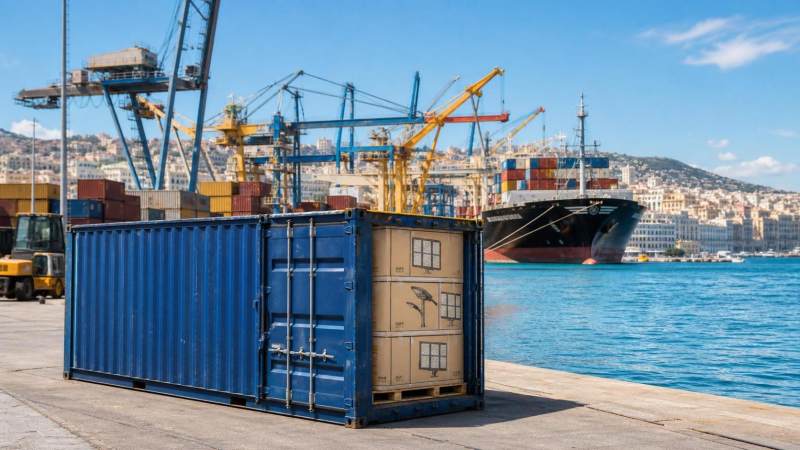
On June 25, 2026, Freightos Baltic Index (FBX) data showed a sharp week-on-week increase in spot freight rates from major Chinese ports to Mediterranean hub ports, a move that deserves close attention from LED exporters, buyers, and supply chain operators serving Southern Europe. For products with a high volume-to-value profile, including LED industrial lighting and solar street lights, the rate jump matters because it can quickly weaken FOB price competitiveness and complicate delivery planning during an already sensitive shipping window.
A sharp move on the China-Mediterranean lane
According to FBX data dated June 25, 2026, the spot rate for a 40HQ container from major Chinese ports to Mediterranean hub ports such as Barcelona and Piraeus reached $4,820. Compared with June 18, this represented a 37% increase in one week. The stated drivers were temporary transit restrictions affecting the Suez Canal and the seasonal pre-stocking peak in Southern Europe. The reported increase directly affected the FOB quotation competitiveness and delivery cycle of high-cube cargoes such as LED industrial lights and solar street lights.
Where the pressure is likely to show first
Export quotations face immediate strain
From an industry perspective, direct trading companies are among the first to feel the impact because spot freight changes can quickly alter the landed cost discussion around FOB-based deals. For exporters of bulkier lighting products, the issue is not only a higher transport bill but also a narrower pricing buffer when negotiating with Mediterranean buyers.
Manufacturers of bulky lighting products may see delivery friction
Analysis shows that manufacturers focused on LED industrial lighting and solar street lights are exposed because these categories take up substantial container space relative to product value. The impact is likely to concentrate in shipment scheduling, quotation validity, and coordination between production completion and vessel booking.
Buyers and channel partners may pay closer attention to lead times
Observably, importers, distributors, and project-side buyers in Mediterranean markets may become more sensitive to delivery timing when freight rates rise alongside route restrictions. What deserves closer attention is whether delivery commitments remain realistic under current shipping conditions, especially for orders tied to seasonal procurement windows.
Logistics service providers will need tighter shipment coordination
For freight forwarders and other supply chain service providers, the reported change points to a more volatile booking environment on the China-Mediterranean route. The main pressure points are likely to be space planning, transit predictability, and communication around shipment timing rather than any confirmed structural shift in the route itself.
What companies should monitor now
Watch for further changes in route conditions
Analysis shows that the immediate trigger matters as much as the rate number itself. Since the increase was linked to temporary Suez Canal restrictions and Southern Europe's summer pre-stocking peak, exporters and logistics teams should keep tracking whether those operating conditions ease, persist, or change again in the near term.
Review exposure by product category and container efficiency
What deserves closer attention is product mix. Companies shipping LED industrial lights, solar street lights, and other high-volume goods should reassess which orders are most exposed to freight-cost swings, because these products are more vulnerable when container rates rise sharply in a short period.
Recheck quotation windows and contract communication
Observably, businesses quoting on an FOB basis need to pay closer attention to validity periods, shipment assumptions, and customer communication. The reported rate increase does not automatically change every transaction, but it does raise the risk of misalignment between quoted terms, booking timing, and customer expectations on delivery.
Prepare for delivery-cycle adjustments
From an industry perspective, the practical issue is not only cost but execution. Teams handling order fulfillment, shipping documents, and handoff to logistics partners should be ready for schedule adjustments if bookings or route timing become less stable during this period.
How this signal should be read
Analysis shows that this development is more appropriate to understand as a short-term but meaningful logistics signal rather than a confirmed long-term reset. The 37% weekly increase is significant on its face, but the information provided ties it to a temporary route restriction and a seasonal stocking cycle. That means the market should avoid treating the move as a settled trend while also avoiding the opposite mistake of dismissing it as routine noise.
Observably, the value of this update lies in what it reveals about sensitivity on the China-Mediterranean corridor: when route constraints and seasonal demand overlap, freight costs for bulky export categories can change fast enough to affect commercial decisions immediately.
Why the sector should keep this in focus
For the lighting export trade, the current signal is not simply about one week's freight number. It highlights how quickly shipping conditions can feed into FOB competitiveness and delivery reliability for products with a high space requirement. It is more appropriate to understand this as a development that warrants continued observation, especially for businesses serving Mediterranean demand with large-format lighting shipments.
Basis of this article
This article is based on the user-provided news title, event date, and event summary concerning FBX data dated June 25, 2026 and the reported change in China-to-Mediterranean container rates. No specific official source link was provided in the input, so the exact official source link remains unconfirmed and should be continuously verified. For this type of industry update, commonly relevant source categories may include official announcements, company statements, industry association information, authoritative media reporting, and documents issued by standard-setting or market-tracking organizations. Continued attention should focus on subsequent route condition updates, any further rate movement on the same lane, and whether delivery-cycle pressure for bulky LED export categories persists.
The VitalSync Intelligence Brief
Receive daily deep-dives into MedTech innovations and regulatory shifts.