
Security
Cost-Effective Optical Solutions for Surveillance Compared
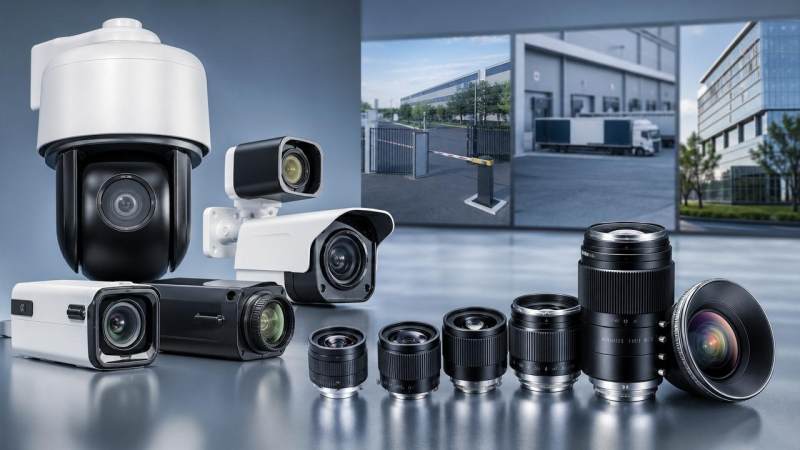
For finance approvers balancing risk reduction with budget discipline, choosing cost-effective optical solutions for surveillance is no longer just a technical decision—it is a strategic investment. As global security standards tighten and smart infrastructure projects expand, the optics behind surveillance systems are moving from a hidden component to a measurable source of operational value. In transport hubs, campuses, logistics yards, retail estates, and public infrastructure, the right optical configuration can improve image quality, reduce false alarms, lower maintenance costs, and extend system life. This comparison outlines how cost-effective optical solutions for surveillance should be assessed in a market shaped by compliance pressure, AI-enabled monitoring, and long-term asset optimization.
Why cost-effective optical solutions for surveillance are gaining strategic importance
The surveillance market is changing in two connected ways. First, infrastructure upgrades are expanding the scale of visual monitoring. Second, buyers are under pressure to justify every performance gain with evidence of lifecycle value. This has increased demand for cost-effective optical solutions for surveillance that can balance clarity, coverage, durability, and compliance without defaulting to premium pricing.
Optical performance now affects more than image sharpness. Lens quality influences AI analytics accuracy, low-light capture affects incident response, and coating durability impacts replacement cycles in dusty, humid, or high-glare environments. In practical terms, poorly matched optics can force higher camera density, more maintenance visits, and lower evidential reliability. Well-chosen optics do the opposite: they make surveillance networks leaner, more dependable, and easier to justify in financial reviews.
This is particularly relevant in a broad industrial and public environment where one site may include entrances, parking zones, indoor corridors, loading points, perimeter fencing, and mixed lighting conditions. A single “best camera” rarely exists. Instead, decision quality depends on comparing optical options by use case and total cost of ownership.
Current market signals show a shift from hardware cost to optical value
Across the global security and illumination landscape, several signals suggest that cost-effective optical solutions for surveillance are being evaluated more rigorously than before. Regulatory expectations for image retention and evidential quality are rising. Smart-city and smart-site deployments increasingly rely on AI analytics that require stable optical input. At the same time, energy efficiency and maintenance reduction have become visible budget lines rather than secondary technical details.
Another important signal is the convergence of security optics with lighting strategy. Surveillance quality in low-light conditions no longer depends only on camera sensitivity. It also depends on how visible light, infrared support, reflective surfaces, and environmental glare are managed together. This is where a platform such as GSIM adds value: by connecting security compliance, optical engineering, and real-world deployment intelligence into one decision framework.
What is driving the shift
Comparing the most cost-effective optical solutions for surveillance by application fit
The best cost-effective optical solutions for surveillance are not identical across environments. The value comes from matching optical characteristics to actual scene requirements. Below is a practical comparison of common optical approaches and where they create the strongest return.
In many cases, the most cost-effective optical solutions for surveillance are hybrid deployments. Fixed lenses may be enough for predictable indoor views, while varifocal or low-light optics are reserved for higher-risk or more variable outdoor zones. This selective allocation often delivers better value than applying the same specification everywhere.
The real impact reaches operations, compliance, and long-term capital efficiency
The effects of optical selection extend beyond the security control room. For operations, better optics can reduce blind spots and support faster incident review. For legal and compliance functions, image integrity matters when footage is needed for investigation, insurance claims, or regulatory verification. For finance governance, stronger optical performance can lower hidden costs by reducing camera overdeployment, truck rolls, cleaning frequency, and early replacement.
There is also an important systems effect. When surveillance optics align with lighting conditions and analytic software requirements, the entire platform becomes more efficient. False alerts can fall, footage review becomes less labor-intensive, and planned upgrades can be phased rather than reactive. In this sense, cost-effective optical solutions for surveillance contribute to broader digital infrastructure discipline rather than isolated equipment savings.
Where the impact is most visible
- Perimeter security: stronger low-light optics improve detection confidence and reduce dependence on excessive illumination.
- Public-facing buildings: anti-glare and wide-angle options improve visibility in reflective or crowded areas.
- Industrial yards: coated optics hold value longer in dust, moisture, and temperature variation.
- AI-enabled monitoring: higher optical consistency improves algorithm performance and event accuracy.
What should be prioritized when evaluating cost-effective optical solutions for surveillance
To avoid choosing optics by headline specification alone, evaluation should focus on measurable priorities that reflect site realities and long-term usage. The following points are especially important when comparing cost-effective optical solutions for surveillance across multiple projects or asset classes.
- Scene-specific focal needs: Match lens type to identification distance, not just general area size.
- Low-light performance: Review actual nighttime output under site lighting conditions, including IR behavior and glare exposure.
- Environmental resilience: Check coating quality, sealing compatibility, and expected maintenance burden in harsh locations.
- Analytics compatibility: Confirm optical clarity and distortion control support the intended AI or video analytics tools.
- Coverage efficiency: Measure whether improved optics can reduce camera count or reposition devices more effectively.
- Compliance readiness: Ensure captured detail is sufficient for evidential use under relevant standards and internal governance policies.
A practical decision path for the next round of surveillance investment
A disciplined response starts with segmentation, not immediate replacement. Map environments by lighting profile, risk level, required image detail, and maintenance difficulty. Then compare current performance gaps against the categories of cost-effective optical solutions for surveillance most likely to improve those specific conditions. This approach prevents overspending on premium optics where basic lenses are sufficient and avoids false savings where environmental complexity demands higher optical resilience.
As GSIM continues to track global compliance changes, AI vision trends, and optical environment optimization, the strongest position will come from treating surveillance optics as a strategic layer of infrastructure. The most reliable cost-effective optical solutions for surveillance are those that align technical fit, legal confidence, and financial discipline. The next practical step is to review current surveillance zones through that lens and prioritize upgrades where optical improvement can produce measurable operational and lifecycle returns.
The VitalSync Intelligence Brief
Receive daily deep-dives into MedTech innovations and regulatory shifts.