
Security
Risk assessment gaps that delay security upgrades
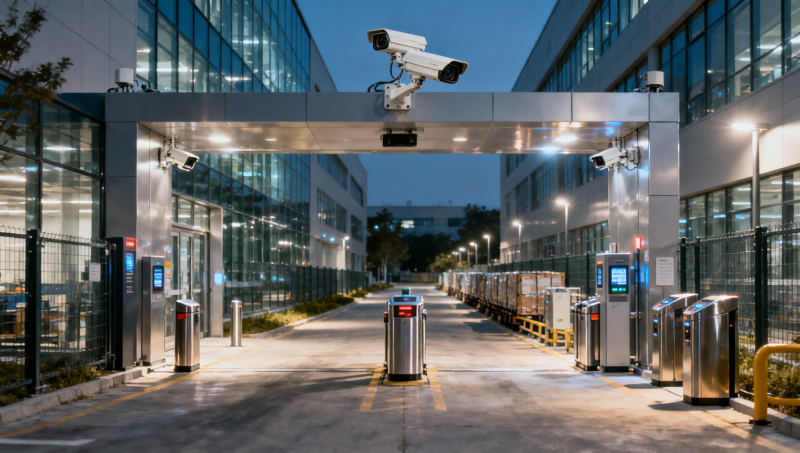
Many security upgrades stall not because the technology is unavailable, but because risk assessment gaps distort priorities, budgets, and timelines. As digital transformation accelerates across industries, organizations need stronger security systems, clearer security policies, and a practical security architecture that supports critical infrastructure protection. This article explores how digital security, optical sensing, and optical engineering insights can strengthen security solutions and reduce upgrade delays.
Why do risk assessment gaps keep delaying security upgrades?
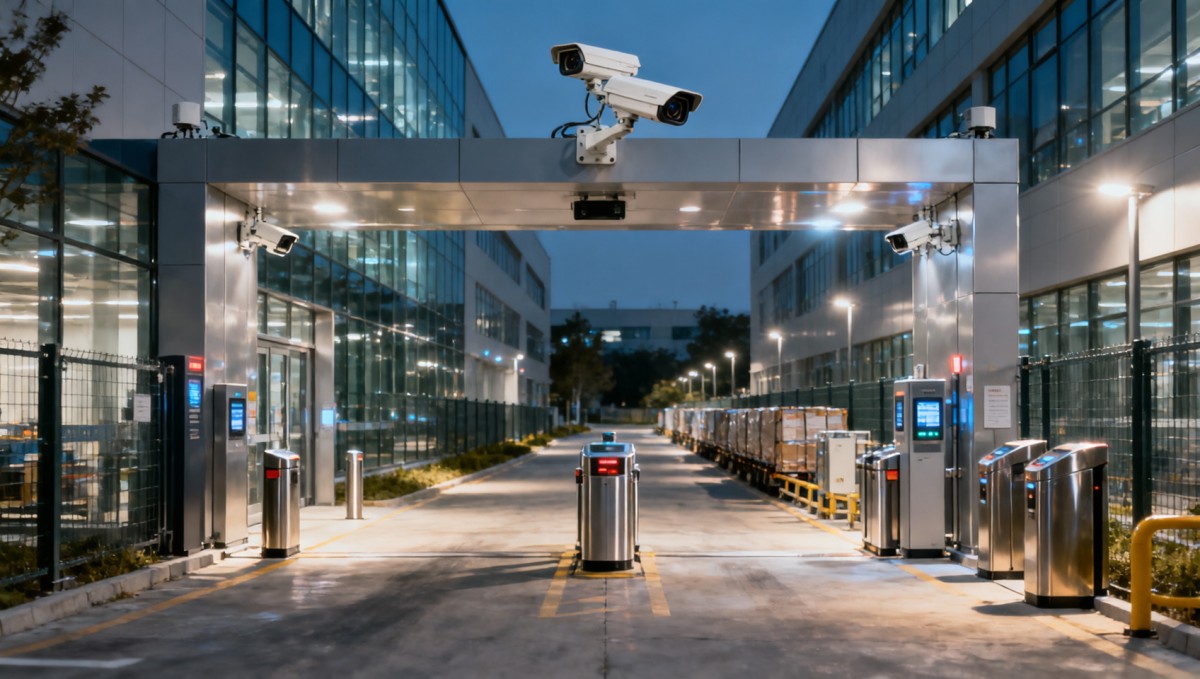
Across industrial sites, transport hubs, campuses, utilities, healthcare buildings, logistics parks, retail estates, and smart city projects, the same pattern appears: teams approve the need for security upgrades, yet the project slips by 3–6 months because the underlying risk assessment is incomplete or inconsistent. The problem is rarely a lack of cameras, sensors, lighting, access control, or network capacity. The problem is that organizations do not align threat exposure, optical conditions, compliance requirements, and budget thresholds in one decision framework.
For information researchers and technical evaluators, the first gap is fragmented data. One department reviews incident history, another checks device age, and a third focuses only on procurement cost. For operators and project managers, the gap appears on the ground: blind zones, glare, poor nighttime visibility, delayed alarm verification, and maintenance burdens are known issues, yet they are not converted into measurable upgrade criteria. As a result, security solutions are discussed in abstract terms instead of operational terms.
For procurement teams and business evaluators, risk assessment gaps create a different problem. If the threat model is vague, every vendor proposal looks partially reasonable, and comparison becomes difficult. This often leads to a 2-step delay: first, the team requests more technical clarification; second, finance asks for re-justification because the original scope cannot clearly show whether the investment protects critical infrastructure, reduces compliance exposure, or shortens incident response time.
GSIM addresses this challenge by connecting physical security assurance with optical environment optimization. Through its Strategic Intelligence Center, organizations can interpret electronic surveillance compliance, evaluate AI vision and Visible Light Communication trends, and compare procurement signals from real project categories. That matters because a modern security architecture must be judged not only by equipment lists, but also by how well it performs under real light, weather, traffic, occupancy, and regulatory conditions.
Four common assessment failures seen before upgrade approval
Most delayed programs can be traced to 4 recurring failures. Each one seems manageable in isolation, but together they create planning friction, scope change, and weak purchasing confidence.
- Threat definition is too broad. Teams say they need “better security” without ranking intrusion, theft, sabotage, safety conflict, perimeter breach, or evidentiary capture.
- Optical conditions are ignored. Daylight variation, glare, backlight, low-lux zones, and reflective surfaces are not assessed during design review.
- Compliance review starts late. Data retention, surveillance notice, access logging, and cross-border deployment rules enter the process after budget assumptions are fixed.
- Lifecycle cost is underestimated. The quote covers devices, but not integration, calibration, training, replacement cycles, and quarterly maintenance effort.
When these failures remain unresolved, security upgrades are pushed into repeated review cycles. A project expected to move from assessment to procurement in 4–8 weeks can expand to 10–16 weeks simply because requirements are rewritten more than once.
What should a complete security risk assessment include before procurement starts?
A complete risk assessment should translate operational reality into decision-ready criteria. That means it must serve more than one audience at the same time: operators need usability, technical evaluators need performance logic, procurement needs comparison consistency, and decision-makers need investment justification. In most sectors, an effective pre-procurement assessment can be organized into 5 core dimensions and reviewed in 2–3 workshop rounds.
The first dimension is threat and asset mapping. Teams should identify which areas matter most: server rooms, substations, loading bays, cash handling points, public entrances, restricted laboratories, vehicle gates, rooftops, or temporary worksites. The second dimension is optical and environmental reality. A camera that performs well in a controlled demo may fail in fog, dust, rain, high contrast light, or strong shadows if optical engineering factors were skipped.
The third dimension is workflow and response logic. Security systems are not only detection tools; they are part of a decision chain. If an alert cannot be verified within 30–90 seconds, or if operators must switch across 3–5 interfaces, the upgrade may add complexity without reducing risk. The fourth dimension is compliance and governance, especially for electronic surveillance, evidence retention, access permissions, and audit traceability.
The fifth dimension is commercial fit. Many upgrades fail when an organization selects a technically advanced system that does not match operating budget, maintenance capability, or implementation timing. GSIM’s Commercial Insights perspective is especially useful here because it helps buyers compare solution fit by project type rather than by product language alone.
A practical 5-part assessment structure
Before issuing an RFQ or inviting bidders, cross-functional teams can use the following structure to reduce ambiguity and shorten the procurement cycle.
This structure helps organizations separate “must-have” controls from “nice-to-have” features. It also prevents one frequent mistake: buying high-resolution or AI-enabled equipment without confirming whether the optical environment, network design, retention rules, and monitoring workflow can support the intended outcome.
Checklist for project managers and technical teams
- Complete one day and one night site review, rather than relying on daytime inspection only.
- Define 3 categories of risk: operational disruption, safety exposure, and evidentiary failure.
- Document 5 key interfaces, such as VMS, access control, perimeter detection, lighting control, and network storage.
- Set review milestones at concept, pre-bid, and pre-installation stages to catch requirement drift early.
When these checkpoints are used consistently, security upgrades move faster because the conversation changes from general concern to verifiable design intent. That is where a decision-support platform like GSIM adds value: it connects strategic intelligence with procurement logic, which makes approval discussions more concrete.
How do optical sensing and digital security change upgrade decisions?
Many organizations still assess security only through a hardware lens. They compare camera counts, storage size, fence length, or guard coverage. But in modern environments, digital security and optical sensing are deeply connected. A weak optical environment can reduce the value of advanced analytics, while poor system integration can stop useful optical data from becoming actionable security intelligence. That is why upgrade decisions should include both sensing quality and decision quality.
Optical engineering matters because detection accuracy depends on scene conditions. If a loading zone has strong headlight flare between 18:00 and 22:00, or if a public concourse alternates between daylight spill and shadow pockets, image interpretation can degrade. In these cases, upgrading surveillance without improving illumination design or line-of-sight planning may produce limited security gains. This is also where GSIM’s focus on optical environment optimization becomes commercially relevant, not just technically interesting.
Digital security matters because physical systems now share data pathways, user permissions, remote maintenance functions, and event storage dependencies. If a new surveillance or access control layer is added without reviewing segmentation, credential governance, and event integrity, the organization may close one physical risk while opening another. A proper upgrade therefore requires a converged view that includes cyber hygiene for physical security platforms.
For distributors, integrators, and procurement leads, the key decision question is simple: does the proposed solution improve detection, verification, and response under actual site conditions within the operating model available? If the answer is not measurable, delays are likely. If the answer is measurable, scope approval becomes easier.
Comparison: incomplete assessment vs integrated assessment
The following comparison shows why some security upgrades remain stuck while others proceed with fewer revisions and clearer stakeholder alignment.
The practical lesson is not that every project needs the most advanced security technology. The lesson is that every project needs aligned evidence. If optical sensing, digital security controls, and workflow design are assessed together, even a phased upgrade can produce stronger results with less approval friction.
Three signs your current architecture is creating delay
- Security incidents are reported, but root-cause evidence is weak because imaging quality and event linkage are inconsistent.
- Technical teams recommend upgrades, yet procurement cannot compare proposals using a common scorecard within 2–4 weeks.
- Operators request better usability, but system design still prioritizes device specification over verification and response workflow.
These signs indicate that the issue is not only aging hardware. It is an assessment model that does not connect performance conditions to operational decisions.
What should buyers, evaluators, and distributors check before selecting a solution?
Security procurement becomes more reliable when teams use a structured selection model instead of feature-led comparison. Across industries, buyers usually face 3 competing pressures: limited budget, compressed delivery schedules, and high expectations for interoperability. A smart selection process should therefore test whether a solution is operationally suitable, commercially manageable, and scalable over a 12–36 month horizon.
For technical evaluators, the first priority is evidence quality under real conditions. For procurement officers, the first priority is total delivered scope, including integration and service. For distributors and agents, the first priority is deployability across different project environments. These priorities are not contradictory, but they need one shared scorecard. Without that scorecard, security upgrades often enter negotiation before the solution is fully defined.
GSIM supports this stage by linking policy interpretation, trend intelligence, and commercial insight. That helps organizations compare not only what suppliers are offering, but also which solution logic is more resilient in smart construction, public safety, urban infrastructure, and multi-site enterprise deployments. This is especially valuable when projects involve AI vision, optical transmission considerations, or phased modernization rather than greenfield installation.
A disciplined procurement guide should reduce uncertainty in 5 areas: site suitability, compliance exposure, integration burden, operating cost, and future adaptability. If one of these is undefined, delay tends to return later through change requests or re-evaluation meetings.
Procurement evaluation guide for security upgrades
Use this table to compare options when preparing a shortlist, reviewing bids, or discussing substitutions with integrators and channel partners.
A strong procurement process does not seek the cheapest line item in isolation. It seeks the lowest avoidable delay and the highest fit for risk reduction. In practice, that often means choosing a phased roadmap over an oversized single-stage deployment.
A 4-step selection path that reduces rework
- Step 1: Confirm site risk, optical conditions, and compliance boundaries before inviting quotations.
- Step 2: Compare 3 categories of solution fit: essential remediation, balanced upgrade, and scalable platform design.
- Step 3: Request implementation detail, including lead time bands such as 2–4 weeks for supply review or 4–12 weeks for phased deployment planning.
- Step 4: Validate training, acceptance testing, and quarterly service expectations before final approval.
This approach is useful for enterprise buyers, project owners, and channel partners because it makes solution comparison more transparent. It also shortens internal debate by giving finance, operations, and engineering a common reference model.
Which compliance issues and implementation mistakes are most often overlooked?
In global and multi-site deployments, compliance is one of the biggest hidden causes of security upgrade delay. Teams may correctly identify the need for surveillance, perimeter monitoring, identity control, or optical sensing, but fail to define how long footage is retained, who can access it, how event logs are protected, or what notice requirements apply. Once legal, IT, and security governance teams enter the process late, even technically sound projects can pause for another 2–8 weeks.
Another overlooked issue is implementation sequencing. Organizations often assume installation begins after hardware delivery, but the real sequence includes site survey confirmation, interface validation, user permission mapping, test scenario definition, and operator readiness. If these steps are compressed or skipped, the first acceptance test may reveal design omissions that trigger costly change orders. This affects not only end users, but also distributors and project contractors who must manage delivery commitments.
GSIM’s value in this stage is its ability to connect security policy interpretation with technology evolution. As AI vision, remote monitoring, and visible light-linked applications expand, teams need more than product data sheets. They need a current understanding of how surveillance obligations, infrastructure resilience goals, and optical system performance interact within actual procurement programs.
A practical implementation plan should include 3 layers: governance controls, technical validation, and operational adoption. If one layer is missing, the upgrade may still go live, but it will be harder to defend, maintain, or expand.
Common misconceptions that slow down approval and deployment
“If the device specification is strong, the risk assessment is good enough.”
This is a frequent mistake. Device specification alone does not prove scene suitability, operator usability, or compliance alignment. A high-spec solution can still fail if it is installed in a poor optical environment or connected to a fragmented response process.
“Compliance can be reviewed after vendor selection.”
In cross-border or regulated environments, that assumption is risky. Retention rules, auditability, access management, and surveillance notice obligations should be checked before procurement scoring is finalized, not after.
“A one-time upgrade will solve future security needs.”
Security architecture is rarely static. Sites expand, occupancy changes, regulations evolve, and analytics mature. A better strategy is to design a phased roadmap with 2 or 3 investment stages, each tied to validated risk priorities.
FAQ for buyers, operators, and project teams
How long should a pre-upgrade risk assessment take?
For a single facility, a structured assessment often takes 1–3 weeks depending on site complexity, stakeholder availability, and whether day-and-night optical review is required. Multi-site programs usually need a phased model, beginning with one representative site and then expanding to grouped templates.
What are the top 3 things procurement should ask technical teams?
Ask whether the proposed security system solves a ranked risk, whether it has been assessed under actual optical conditions, and whether compliance and integration requirements are documented in bid-ready form. These 3 questions reduce scope ambiguity more than a long feature list does.
When is phased deployment better than full replacement?
Phased deployment is often better when budget release is staged, site operations cannot tolerate broad interruption, or existing infrastructure still has partial value. It is also useful when teams need to validate performance across 30, 60, or 90 days before extending the architecture to more zones.
Which teams should be involved early?
At minimum, involve security operations, facilities or engineering, IT or network support, procurement, and legal or compliance review. On larger projects, project controls and business continuity teams should also join early workshops to reduce later approval loops.
Why choose GSIM when planning security upgrades and optical environment improvements?
Organizations do not only need more information; they need better-connected information. GSIM helps bridge the gap between strategic intelligence and implementation reality by combining physical security assurance, optical environment optimization, compliance interpretation, and commercial insight. This is especially useful in the 2026 wave of digital infrastructure and urban safety modernization, where buyers must evaluate not only devices, but also regulatory context, AI vision evolution, and project delivery logic.
For information researchers, GSIM clarifies market signals and standards context. For technical evaluators, it connects optical engineering and surveillance performance. For procurement teams, it provides a stronger basis for comparing solution pathways. For executives and project leaders, it supports more confident timing, budgeting, and prioritization. For distributors and agents, it offers a clearer view of where demand, compliance, and deployment complexity are moving.
If your current project is delayed by uncertain risk definitions, mixed vendor proposals, unclear compliance boundaries, or questions about optical sensing performance, GSIM can help structure the next decision step. Instead of restarting the discussion from zero, teams can move toward a more evidence-based security architecture with clearer upgrade logic and better cross-functional alignment.
Contact us to discuss parameter confirmation, solution selection, delivery cycle expectations, phased upgrade planning, compliance considerations for electronic surveillance, optical environment assessment, sample or demonstration support, and quotation communication. If you are comparing multiple security solutions across sites or need a decision framework for public safety, smart construction, or critical infrastructure protection, GSIM can help you turn scattered concerns into a practical procurement roadmap.
- physical security assurance
- optical environment optimization
- digital infrastructure
- strategic intelligence center
- security policies
- electronic surveillance
- AI vision
- Visible Light Communication
- risk assessment
- security solutions
- security technology
- digital security
- security intelligence
- commercial insights
- digital transformation
- optical engineering
- security systems
- critical infrastructure protection
- security governance
- security risk assessment
- optical sensing
- security architecture
The VitalSync Intelligence Brief
Receive daily deep-dives into MedTech innovations and regulatory shifts.