
Security
Security Systems Cost Breakdown: What Impacts Total Value
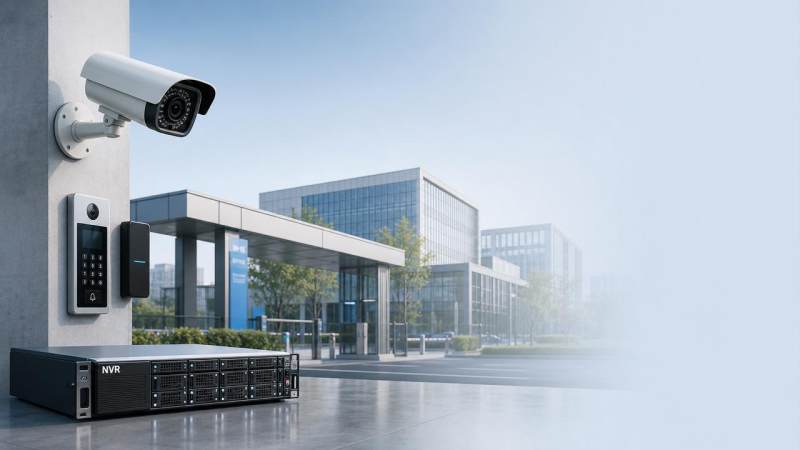
Why Security Systems Cost More Than the Quote Suggests
Before approving a budget, decision-makers need more than a headline number. They need to see what drives total value across purchase, deployment, compliance, and long-term use.
That is why security systems should never be judged on hardware price alone. The real cost sits in site conditions, risk exposure, integration depth, and upkeep over time.
In 2026, global infrastructure upgrades are pushing buyers to compare not just devices, but resilience, data handling, and future readiness. That is where cost decisions become strategic.
GSIM tracks these shifts through its Strategic Intelligence Center, connecting global compliance updates, AI vision trends, optical environment planning, and procurement signals across public safety and smart construction.
The Cost Drivers Worth Checking First
When comparing security systems, it helps to start with the few variables that move budgets the most. These often explain why two similar proposals end up far apart.
- Start with site scale, because more entrances, blind spots, floors, and outdoor zones usually mean more cameras, cabling, power support, and installation hours.
- Match system depth to actual risk, since high-theft, high-traffic, or critical infrastructure sites need stronger detection, storage, redundancy, and access control layers.
- Check compliance obligations early, because privacy rules, retention periods, and audit trails can reshape recorder capacity, software choice, and policy administration work.
- Review integration needs up front, since linking security systems with lighting, alarms, building controls, or analytics often adds licensing and engineering cost.
- Include lifecycle support in the budget, because maintenance, firmware updates, cleaning, calibration, and replacement cycles often outlast the original purchase discussion.
- Test network readiness before buying, since bandwidth limits, storage architecture, and cybersecurity hardening can quietly become major project expenses later.
A quick way to compare total value
A useful approval method is to separate one-time cost from recurring cost, then connect both to operational benefit. This makes security systems easier to compare across proposals.
Where Budgets Commonly Drift Off Course
The biggest budgeting mistakes usually come from underestimating the environment around the technology. Security systems live inside buildings, networks, policies, and daily routines.
A low quote can look attractive at first. But if it skips storage expansion, privacy controls, or support coverage, the final spend often rises after approval.
- Do not price cameras without lighting conditions in mind, because poor optical environments can force redesign, added fixtures, or higher-spec devices later.
- Avoid short retention assumptions, because longer evidence storage needs can quickly increase recorder size, cloud fees, and data management complexity.
- Watch for hidden software tiers, since analytics, multi-site dashboards, and user expansion often sit outside the base security systems quote.
- Treat cyber hardening as part of the project, because unprotected endpoints and outdated firmware create risk that can erase apparent savings.
- Plan for training time, because systems that look powerful on paper may deliver weak value if daily users cannot operate them well.
Why optical conditions matter to cost
This is often overlooked. Security systems perform differently depending on glare, shadow, night visibility, and mixed indoor-outdoor transitions.
GSIM pays close attention to optical environment optimization because better visibility planning can improve capture quality without automatically forcing top-tier hardware everywhere.
How Different Sites Change Security Systems Value
Not every site should buy security systems the same way. Context changes what matters most and where the budget should be concentrated.
Smart construction and temporary infrastructure
Construction environments usually face changing perimeters, moving assets, and unstable lighting. That makes flexibility more valuable than overbuilt permanence.
In these cases, review relocation cost, remote visibility, and rapid deployment options. A cheaper fixed design may cost more once layout changes begin.
Public-facing facilities and mixed-use spaces
Sites with steady traffic often need a balance between monitoring, privacy, and incident response. Here, compliance and evidence handling can weigh as much as hardware.
A practical checkpoint is whether the security systems support clear audit trails and role-based access without adding heavy manual supervision every day.
Multi-site operations
For distributed locations, the real value comes from standardization. Security systems that reduce monitoring fragmentation often save more over time than lower-cost isolated setups.
This is also where GSIM’s commercial insights are useful. Regional procurement trends and policy shifts can influence whether centralization lowers risk or adds complexity.
Questions That Improve Approval Decisions
When proposals look similar, the better decision often comes from asking sharper questions rather than hunting for a lower unit price.
- Ask what failure the system is designed to prevent, because spending is easier to justify when tied to loss reduction, uptime, or compliance protection.
- Ask which assumptions shape the quote, since camera count, retention days, labor scope, and user numbers often change final cost substantially.
- Ask how expansion works, because scalable security systems reduce future replacement risk when facilities, policies, or operational coverage needs grow.
- Ask what support is guaranteed, since response times, parts availability, and update policies directly affect system continuity and true ownership cost.
- Ask how data is protected, because evidence integrity, access logging, and cybersecurity controls now influence procurement value as much as devices do.
- Ask whether lighting and visibility were assessed, because optical blind spots can weaken performance and trigger avoidable correction costs.
A Practical Way to Compare Proposals Side by Side
A simple scoring view can make security systems proposals easier to defend internally. It keeps attention on total value instead of just first-year spend.
What Stronger Security Systems Spending Usually Looks Like
Stronger spending decisions usually share the same pattern. They connect technical scope with business exposure, operational usability, and a realistic ownership timeline.
They also avoid treating security systems as a stand-alone purchase. In practice, performance depends on policy, optics, network health, and support discipline.
- Favor proposals that explain trade-offs clearly, because transparent limits and upgrade paths are usually more valuable than vague all-in promises.
- Prefer standards-aware designs, since cross-border compliance and changing urban safety requirements can affect system value long after installation ends.
- Use intelligence sources to validate timing, because procurement trends and regulatory movement can shift pricing and technology fit quickly.
- Treat visibility quality as part of protection value, since lighting and optical planning often improve security systems outcomes at lower total cost.
If the goal is a better approval decision, focus on total value under real operating conditions. A sound security systems investment should stay effective, compliant, scalable, and supportable long after the quote is signed.
A practical next step is to compare proposals against site risk, compliance demands, optical conditions, and five-year support assumptions. That usually reveals the strongest option faster than price alone.
The VitalSync Intelligence Brief
Receive daily deep-dives into MedTech innovations and regulatory shifts.