
Security
Digital Transformation Risks in Industrial Safety
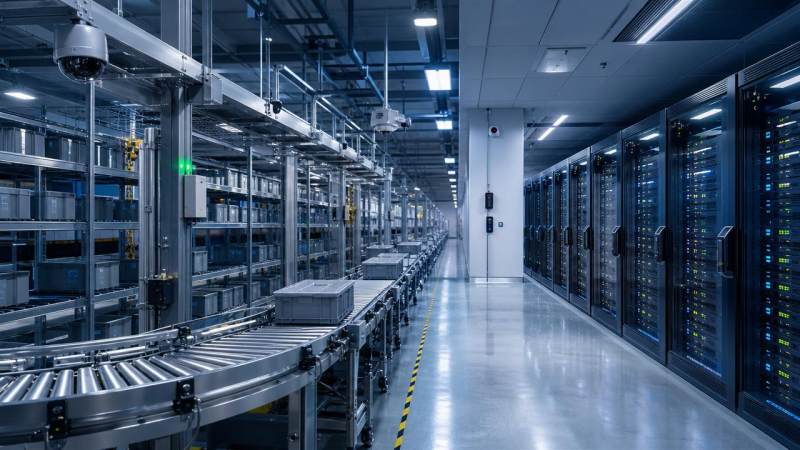
As industrial operations embrace digital transformation, enterprise leaders face a new safety equation: smarter systems can reduce risk, but connected sensors, AI vision, automated controls, and cloud platforms also introduce new vulnerabilities. From surveillance compliance to optical environment reliability, every upgrade must be evaluated through both operational and security lenses. This article explores the key risks decision-makers should anticipate—and how a structured intelligence approach can help organizations modernize safely while protecting people, assets, and long-term business resilience.
Why Industrial Digital Transformation Creates a New Safety Risk Profile
Industrial digital transformation is no longer limited to automation projects or isolated software upgrades. It now connects cameras, lighting systems, access control, edge devices, cloud analytics, and operational technology.
For enterprise decision-makers, the central question is not whether digital transformation is useful. The harder question is whether every connected layer has been evaluated for safety, compliance, and resilience.
The risk shift from isolated assets to connected ecosystems
Traditional safety programs focused on physical hazards, human procedures, and equipment reliability. Digital transformation adds data integrity, cyber exposure, algorithmic decision quality, and optical environment performance.
- A connected camera may improve visibility, but weak access controls can expose sensitive surveillance data.
- An AI vision system may detect unsafe behavior, but poor lighting can reduce recognition accuracy.
- A cloud dashboard may support faster decisions, but fragmented data governance can delay incident response.
- An automated control loop may reduce manual errors, but unclear override rules can increase operational risk.
This is where GSIM’s Strategic Intelligence Center becomes relevant. It connects global security policies, optical technology trends, and procurement intelligence into a decision framework for safer modernization.
Which Digital Transformation Risks Matter Most to Enterprise Leaders?
Digital transformation risk is not one single threat. It is a portfolio of technical, legal, operational, financial, and human factors that interact across the industrial environment.
The following table helps executives identify where digital transformation projects commonly create safety exposure and what decision signals should be reviewed before deployment.
The table shows why digital transformation should be governed as an integrated safety program, not as a collection of disconnected technology purchases. Procurement, compliance, and operations must evaluate risk together.
Where Connected Safety Systems Can Fail in Real Industrial Scenarios
In comprehensive industries such as manufacturing, logistics, construction, energy, transportation, and public infrastructure, digital transformation often enters through safety, surveillance, and operational visibility projects.
Smart construction sites
Smart construction sites use cameras, perimeter lighting, access control, drones, and temporary networks. The risks include unstable power, changing work zones, privacy obligations, and weak device inventory management.
A digital transformation plan should define who owns site data, how mobile devices are secured, and whether night-time lighting supports reliable AI recognition.
Factories and warehouses
Factories and warehouses require continuous monitoring of forklifts, conveyors, restricted areas, loading docks, and emergency exits. Digital transformation can reduce blind spots, but it can also multiply integration points.
Decision-makers should examine camera placement, illumination levels, sensor calibration, alarm escalation rules, and human override procedures before approving full-scale deployment.
Urban safety and public infrastructure
Urban safety upgrades involve electronic surveillance, intelligent lighting, emergency response networks, and data-sharing arrangements between agencies or contractors. Compliance risk becomes highly visible in these projects.
- Define whether surveillance covers public, semi-public, or restricted industrial zones.
- Align retention and access policies with applicable privacy and security requirements.
- Assess whether lighting design supports both pedestrian safety and machine vision accuracy.
- Confirm that contractors provide documentation for maintenance, firmware updates, and incident response.
How to Compare Digital Transformation Options Without Creating Hidden Risk
The lowest purchase price rarely represents the lowest business risk. A digital transformation option must be compared by safety impact, compliance readiness, scalability, and operational maintainability.
The following comparison can help enterprise leaders evaluate modernization paths before committing budget, especially when physical security and optical performance are both critical.
A practical digital transformation comparison should not reward feature density alone. It should reward controllable deployment, clear accountability, measurable safety value, and credible upgrade paths.
What Standards and Compliance Issues Should Be Checked Early?
Compliance is often reviewed too late in industrial digital transformation. By then, systems may already be installed, contracts signed, and data flows difficult to change.
Core compliance areas for connected safety environments
Enterprise leaders do not need to become legal specialists, but they should ensure that legal, security, procurement, and operations teams use the same checklist.
- Privacy and surveillance governance, including notice, lawful basis, access control, retention, and deletion practices.
- Cybersecurity frameworks for network segmentation, authentication, logging, patch management, and incident response.
- Functional safety and operational safety requirements where automated decisions influence people or machinery.
- Lighting and optical performance criteria for visibility, glare management, color rendering, emergency conditions, and camera compatibility.
GSIM’s Latest Sector News and policy interpretation resources support this early-stage review by tracking international developments in electronic surveillance and infrastructure safety governance.
Procurement Checklist: What Should Be Verified Before Approval?
Digital transformation procurement should move beyond a feature list. Enterprise buyers need evidence that the solution can survive real environments, audits, maintenance cycles, and organizational change.
The following checklist converts common digital transformation concerns into practical procurement questions for security, illumination, and smart infrastructure projects.
This checklist helps decision-makers avoid buying a digital transformation solution that looks advanced in a presentation but lacks operational evidence for safety-critical environments.
How to Implement Safer Digital Transformation in Stages
A staged approach lowers risk because it allows teams to test assumptions before technology is scaled across multiple sites, business units, or public-facing environments.
Recommended implementation sequence
- Map the physical safety objectives, such as intrusion prevention, worker protection, traffic separation, or emergency visibility.
- Assess the current optical environment, including lighting uniformity, glare, camera placement, shadows, and maintenance conditions.
- Review regulatory obligations for surveillance, data handling, access permissions, and incident evidence management.
- Pilot the digital transformation solution in a controlled zone with defined success criteria and human validation.
- Scale only after documenting lessons, training users, confirming support responsibilities, and updating procurement standards.
GSIM’s Commercial Insights can support this process by helping organizations understand procurement patterns in smart construction, public safety, and industrial security projects.
Common Mistakes That Increase Digital Transformation Risk
Many industrial organizations do not fail because they reject innovation. They fail because digital transformation is approved without enough cross-functional judgment.
Mistake 1: Treating lighting as a secondary facility issue
Lighting is part of the safety data chain. Poor optical conditions affect human visibility, camera performance, AI interpretation, emergency evacuation, and equipment inspection.
Mistake 2: Buying analytics before defining response rules
Analytics can generate alerts, but leadership must define who responds, how fast, under what authority, and how evidence is reviewed after an incident.
Mistake 3: Separating compliance from procurement
If compliance is reviewed after installation, redesign costs can rise. Digital transformation decisions should include privacy, cybersecurity, documentation, and operational acceptance from the start.
FAQ: Practical Questions Before Modernizing Industrial Safety
The following questions reflect common search and procurement concerns from enterprise leaders planning digital transformation in security, illumination, and safety-critical environments.
How should leaders define success for industrial digital transformation?
Success should combine safety outcomes, compliance readiness, operational usability, and lifecycle cost. A project is not successful only because more devices are connected.
Useful indicators include fewer blind spots, faster incident verification, documented access control, stable optical performance, reduced manual inspection burden, and clearer executive reporting.
Which departments should join the decision process?
Security, operations, facilities, IT, legal, procurement, finance, and safety teams should be represented. Digital transformation affects both physical environments and data governance.
Is AI vision always necessary for safety upgrades?
Not always. Some sites first need better lighting, camera placement, access rules, or alarm procedures. AI vision should be introduced where data quality and response capacity are sufficient.
What is the biggest hidden cost in these projects?
The biggest hidden cost is often integration rework. When documentation, compatibility, and compliance requirements are unclear, teams spend more time fixing gaps after installation.
Why Choose GSIM for Safer Digital Transformation Decisions?
GSIM is built for organizations that need more than product visibility. It supports decision-makers with intelligence on physical security assurance, optical environment optimization, and global policy direction.
Through the Strategic Intelligence Center, GSIM helps enterprise teams connect digital transformation plans with surveillance compliance, AI vision trends, VLC evolution, and smart infrastructure procurement logic.
What you can consult GSIM about
- Parameter confirmation for camera, lighting, AI vision, and optical environment requirements.
- Solution selection for factories, warehouses, construction sites, public areas, and multi-site infrastructure.
- Compliance questions involving electronic surveillance, documentation expectations, and international policy trends.
- Procurement comparison, delivery-cycle planning, sample support discussions, and quotation communication.
- Customized intelligence support for leaders balancing safety, budget, technology roadmap, and long-term resilience.
If your organization is planning digital transformation for industrial safety, GSIM can help clarify risks before budget is locked and implementation pressure rises.
Visioning Risks, Illuminating the Future is more than a slogan. It is a practical approach to safer modernization, stronger procurement judgment, and resilient industrial operations.
- physical security assurance
- optical environment optimization
- urban safety upgrades
- strategic intelligence center
- security policies
- optical technology
- electronic surveillance
- AI vision
- smart construction sites
- sector news
- commercial insights
- digital transformation
- industrial security
- security architecture
- global security
The VitalSync Intelligence Brief
Receive daily deep-dives into MedTech innovations and regulatory shifts.