
Security
China Child Restraint Electronics Standard Takes Effect
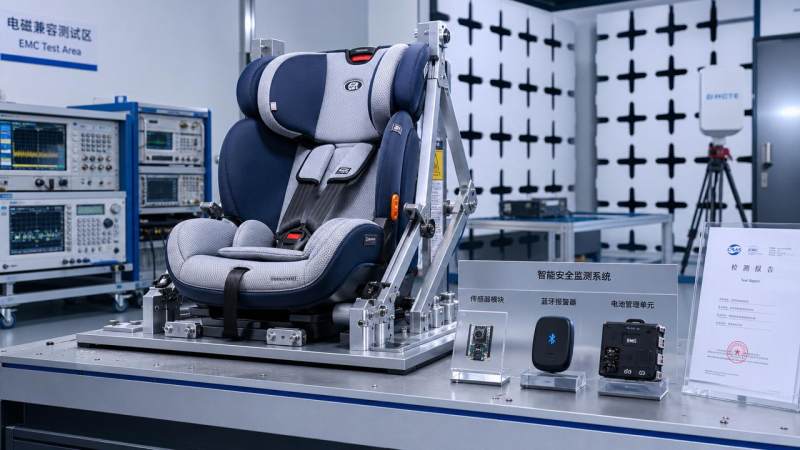
On June 1, 2026, China’s national standard Technical Specification for Electronic Functions of Restraint Systems for Child Occupants of Motor Vehicles (GB/T 47246—2026) officially took effect. The update deserves attention from child restraint system manufacturers, automotive safety product exporters, electronics module suppliers, compliance teams, and testing service providers because it introduces defined technical requirements for built-in electronic functions in child seats, including sensing, wireless alerts, and battery-related functions.
Event Overview
GB/T 47246—2026, titled Technical Specification for Electronic Functions of Restraint Systems for Child Occupants of Motor Vehicles, was officially implemented on June 1, 2026.
According to the available information, the standard sets technical requirements for built-in electronic functions in child restraint systems for the first time. The covered functions include posture sensing, Bluetooth alarms, and battery management. The requirements also address electromagnetic compatibility immunity, low-power wake-up, and fail-safe response.
The disclosed information further indicates that the standard will affect the export compliance pathway for vehicle-mounted safety products that contain smart modules.
Which Subsector Industries Are Affected
Child Restraint System Manufacturers
Child restraint system manufacturers are directly affected because the standard focuses on electronic functions embedded in child seats and related restraint products. Products with posture sensing, Bluetooth alarm functions, battery management, or other smart modules may need to be reviewed against the new technical requirements.
From an industry perspective, the impact is likely to appear in product design verification, component selection, internal testing procedures, and compliance documentation. Manufacturers may need to confirm whether existing electronic designs can meet requirements related to electromagnetic compatibility immunity, low-power wake-up, and fail-safe response.
Electronic Module and Component Suppliers
Suppliers of sensors, Bluetooth alarm modules, battery management units, and related electronic components may also be affected because their modules can become part of the compliance chain for child restraint systems.
Analysis shows that module-level performance claims may need closer alignment with the finished product’s compliance needs. Suppliers may face more detailed technical communication with restraint system manufacturers, especially around immunity performance, power consumption behavior, wake-up logic, and failure-response design.
Export-Oriented Automotive Safety Product Companies
Companies exporting vehicle-mounted safety products with smart modules should pay attention because the available information states that GB/T 47246—2026 will affect export compliance pathways for such products.
What currently deserves more attention is not only whether a product contains a smart function, but whether that function is part of a child restraint system or a related vehicle safety product that may be evaluated under the new requirements. Export teams may need to reassess product classification, technical files, and customer compliance commitments.
Testing, Certification, and Compliance Service Providers
Testing and compliance service providers are affected because the standard introduces technical points that require verification, including electromagnetic compatibility immunity, low-power wake-up, and fail-safe response.
Observably, demand for interpretation, pre-assessment, test planning, and compliance gap analysis may increase among companies handling smart child restraint products. Service providers may need to align test scopes and reporting formats with the requirements of GB/T 47246—2026.
Distribution and Channel Operators
Distribution and channel operators handling smart child seats or child restraint products may be indirectly affected. While they may not design the products, they often manage product listings, supplier qualification, documentation checks, and market entry communication.
From an industry perspective, the main impact may appear in supplier screening and documentation review. Channel operators may need clearer confirmation from manufacturers on whether products with electronic functions have been assessed under the newly implemented standard.
Key Points for Companies and Practitioners to Watch and How to Respond
Review Whether Products Contain Covered Electronic Functions
Companies should first identify whether their child restraint products include posture sensing, Bluetooth alarm functions, battery management, or other built-in smart modules. This review should not be limited to flagship smart models; it should also cover optional electronic accessories or variants sold under the same product line.
It is more appropriate to understand this as a product-scope review before a compliance response. If a product does not contain electronic functions, the impact may differ from that of products with integrated sensing, wireless alert, or battery systems.
Check Technical Files Against the New Requirement Areas
For products with electronic functions, companies should organize technical files around the requirement areas mentioned in the standard information: electromagnetic compatibility immunity, low-power wake-up, and fail-safe response.
Practical preparation may include reviewing design descriptions, module specifications, test records, battery-related documentation, and failure-mode handling logic. Analysis shows that incomplete documentation may become a practical bottleneck even before formal testing is arranged.
Coordinate Early With Suppliers and Testing Partners
Manufacturers and exporters should communicate with electronic module suppliers and testing partners at an early stage. The goal is to confirm whether module-level specifications support finished-product compliance and whether existing test plans cover the functions now addressed by GB/T 47246—2026.
What currently deserves more attention is the connection between component performance and finished-product behavior. A sensor, Bluetooth alarm, or battery management unit may perform correctly as a component, but the complete child restraint system still needs coherent response behavior under the relevant technical requirements.
Distinguish the Standard’s Implementation From Business Assumptions
The confirmed fact is that GB/T 47246—2026 took effect on June 1, 2026 and covers electronic functions in child restraint systems. Companies should avoid treating unverified market interpretations as confirmed regulatory outcomes.
From an industry perspective, the prudent response is to track official explanations, customer requirements, and testing implementation details while preparing internal compliance reviews. This approach can help companies avoid both underestimating the standard and overreacting without a clear product-specific basis.
Editor’s Viewpoint / Industry Observation
Analysis shows that GB/T 47246—2026 marks a shift in attention from the mechanical safety attributes of child restraint systems toward the functional reliability of embedded electronics. For products that use sensing, wireless alerts, or battery-supported functions, the electronic system is no longer only a convenience feature; it becomes part of the product’s technical compliance discussion.
It is more appropriate to understand this development as both an implemented standard and an industry signal. The implementation date means companies must take the standard seriously in current compliance planning. At the same time, it signals that smart safety products may face more structured evaluation of electronic reliability, fail-safe behavior, and power-related performance.
Observably, the industries that need sustained attention are those connecting automotive safety, child restraint products, embedded electronics, and export compliance. The practical challenge is not simply reading the standard title, but identifying how specific product functions map to the technical requirements now in effect.
Conclusion
The implementation of GB/T 47246—2026 on June 1, 2026 is significant for companies involved in smart child restraint systems and vehicle-mounted safety products with electronic modules. Its industry impact centers on compliance pathways, product design verification, supplier coordination, and technical documentation.
Current interpretation should remain rational and product-specific. It is more appropriate to understand this information as a confirmed standard implementation that requires immediate compliance attention for relevant electronic functions, while further operational details and market responses should continue to be observed through official and business channels.
Information Source Statement
Main source: Publicly provided event information on the implementation of Technical Specification for Electronic Functions of Restraint Systems for Child Occupants of Motor Vehicles (GB/T 47246—2026).
Items requiring continued observation: subsequent official explanations, implementation details in testing practice, and how export compliance pathways are applied to specific vehicle-mounted safety products containing smart modules.
The VitalSync Intelligence Brief
Receive daily deep-dives into MedTech innovations and regulatory shifts.