
Security
Optical Environment Optimization for Clearer Security Monitoring
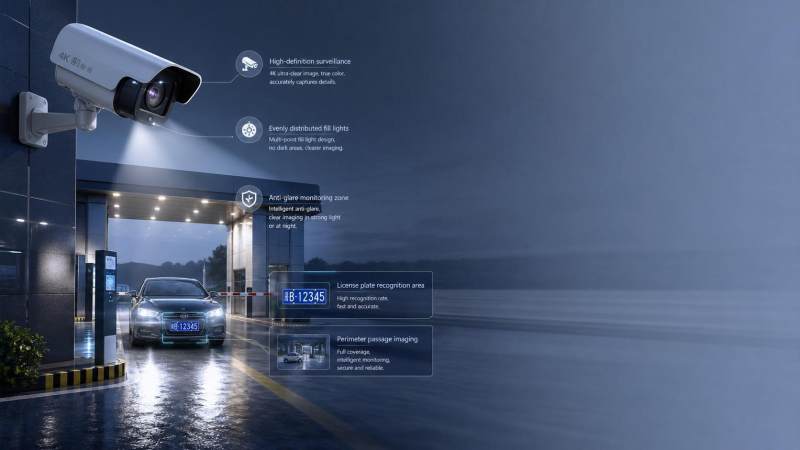
Optical Environment Optimization for Clearer Security Monitoring
In modern security systems, optical environment optimization is no longer optional. It directly shapes image clarity, detection accuracy, and operational reliability.
As monitoring networks expand, the optical environment often becomes the hidden factor behind missed details, false alarms, and unstable evidence quality.
That matters even more in 2026, when urban safety upgrades and digital infrastructure projects are moving toward smarter, compliance-driven surveillance.
In real deployments, a good camera alone is not enough. Without strong optical environment optimization, even advanced analytics can perform below expectation.
This is where GSIM helps connect field requirements, global standards, and practical decision logic for clearer security monitoring.
Why Optical Conditions Now Drive Monitoring Quality
Recent changes show a clear shift. Monitoring projects are no longer judged only by coverage quantity or camera resolution.
Decision quality now depends on how well the optical environment supports recognition, traceability, and stable operation across changing scenes.
Poor lighting uniformity can wash out faces. Backlight can hide vehicle plates. Glare can distort moving objects.
Fog, reflections, dust, and mixed color temperatures create another layer of difficulty. These issues reduce the value of the whole monitoring stack.
Optical environment optimization addresses these root conditions before they cascade into analytics errors, compliance gaps, and maintenance costs.
Common symptoms of a weak optical environment
- Blurred details during low-light hours.
- Frequent false alerts from motion analytics.
- Overexposed entrances and underexposed perimeters.
- Inconsistent footage between similar locations.
- Weak forensic usability after incidents.
The Core Factors Behind Optical Environment Optimization
Effective optical environment optimization starts with understanding the scene, not just the device specification sheet.
Several factors usually decide whether monitoring footage remains usable under real operating pressure.
1. Illumination distribution
Brightness alone is not the goal. Uniform illumination matters more for stable capture.
If light pools in one area and drops sharply nearby, subjects enter shadow transitions that disrupt recognition and tracking.
2. Contrast and glare control
High contrast scenes create blind spots. Direct glare from headlights, polished floors, or wet surfaces can defeat image clarity.
Optical environment optimization reduces contrast extremes through lighting placement, shielding, lens choices, and scene redesign.
3. Spectral compatibility
Visible light, infrared response, and sensor sensitivity must work together. Mismatch here often causes unstable night performance.
This becomes more relevant as AI vision systems demand cleaner input for classification and event verification.
4. Environmental interference
Dust, rain, fog, vibration, and airborne particles can degrade the optical path. These are not minor field issues.
They directly affect whether optical environment optimization remains effective over time, especially in transport hubs and construction sites.
A Practical Optical Environment Optimization Framework
A useful approach is to treat optical environment optimization as a structured workflow rather than a one-time adjustment.
The strongest projects usually move through five linked steps.
- Map the scene by time, traffic, reflectivity, and target behavior.
- Measure baseline light levels, contrast zones, and visibility failure points.
- Align lenses, sensors, illuminators, and mounting positions with task objectives.
- Validate image performance against identification, detection, and evidence needs.
- Review seasonal, weather, and maintenance impacts before final acceptance.
This process makes optical environment optimization measurable. It also reduces the guesswork that often delays security upgrades.
Quick evaluation table for field use
Where Optical Environment Optimization Creates the Most Value
The value of optical environment optimization becomes clearer when tied to actual monitoring tasks and business risk.
Smart construction sites
Construction sites change every week. Temporary lighting, dust, and moving equipment create unstable viewing conditions.
Here, optical environment optimization supports worker safety, equipment monitoring, and perimeter integrity with fewer blind spots.
Public safety corridors
Transit areas, sidewalks, and civic plazas face mixed lighting, dense movement, and strong compliance expectations.
Better optical environment optimization improves person tracking, event review, and image consistency across connected nodes.
Critical facilities
Data centers, energy sites, and logistics assets need reliable surveillance under both routine and emergency conditions.
In these settings, optical environment optimization helps maintain decision-grade visibility when the scene becomes operationally stressful.
How GSIM Supports Better Evaluation Decisions
GSIM approaches optical environment optimization as part of a wider security assurance strategy, not as an isolated hardware discussion.
Its Strategic Intelligence Center connects policy shifts, optical technology trends, and procurement signals in one practical view.
That makes it easier to compare optical environment optimization options against compliance rules, AI vision readiness, and project lifecycle needs.
The platform also helps interpret where visible light strategy, infrared balance, and future VLC integration may influence current design choices.
More importantly, GSIM keeps the focus on transparent knowledge, internationally aligned standards, and realistic risk judgment.
Action Points for Stronger Monitoring Outcomes
If clearer monitoring is the goal, optical environment optimization should enter the project early, not after image problems appear.
- Audit scenes at different times, not just in daytime conditions.
- Prioritize task-based visibility over headline camera specifications.
- Review glare, contrast, and environmental interference before final placement.
- Align optical decisions with compliance and evidence requirements.
- Use intelligence sources like GSIM to track standards and technology direction.
Clearer security monitoring is rarely the result of one component upgrade. It usually comes from better scene design and sharper evaluation logic.
When optical environment optimization is handled well, every layer of the security system performs with more confidence and less waste.
That is the practical path forward: foresee risks, improve visibility, and build monitoring systems ready for the next wave of security demand.
The VitalSync Intelligence Brief
Receive daily deep-dives into MedTech innovations and regulatory shifts.