
Security
GCC Tightens Dual Standards for LED Tunnel Lights
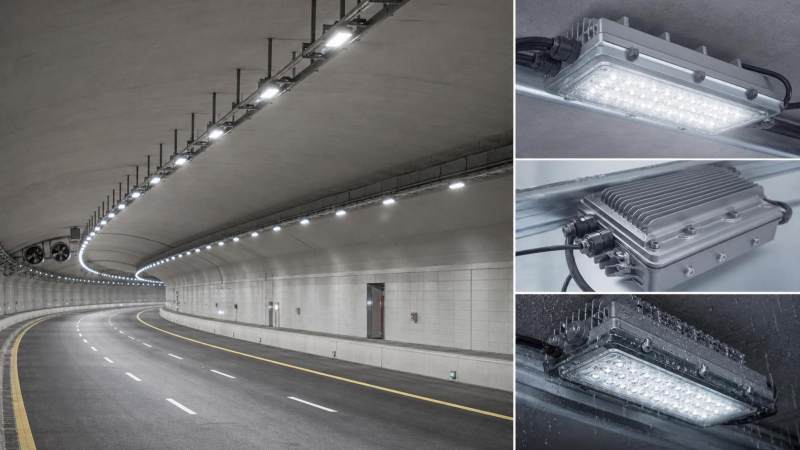
On June 16, 2026, the Gulf Standardization Organization updated the GSO 2530/2026 technical guidance for GCC certification of LED tunnel lights. The update makes dual compliance with IEC 62717 and IEC 60598-1:2025 mandatory from October 1, 2026, while also adding closer scrutiny of IP67 dynamic waterproof verification, -40°C condensation cycle testing, and independent heat dissipation paths for drivers. For manufacturers, exporters, certification teams, and project-facing supply chains, the change is worth watching because it shifts the compliance threshold from a single-standard pathway to a more integrated product safety review.
What the updated guidance confirms
The confirmed change is tied to the GSO update issued on June 16, 2026. Under the revised GSO 2530/2026 guidance, all LED tunnel lights applying for GCC certification from October 1, 2026 must meet both IEC 62717, covering LED module safety, and the latest IEC 60598-1:2025 requirements for general luminaire safety.
The previous single-standard exemption is removed. The update also highlights three additional review points: IP67 dynamic waterproof verification, a -40°C condensation cycle test, and an assessment of whether the driver has an independent heat dissipation path.
Where the impact is likely to appear first
Product design and manufacturing review will become more closely linked
From an industry perspective, manufacturers of LED tunnel lights are likely to feel the impact first because the updated rule combines module safety and luminaire safety into one mandatory compliance path. The effect is likely to show up in design verification, internal testing preparation, and document alignment between electrical, structural, and thermal aspects of the product.
Export and certification workflows may face tighter documentation demands
For trading companies and certification-facing teams, the removal of the single-standard exemption means product files may need to reflect both standards together rather than relying on a narrower compliance basis. What deserves closer attention is whether existing application materials, test evidence, and technical declarations remain usable under the updated review logic.
Supply chain coordination may need earlier technical confirmation
For suppliers and service providers involved in drivers, waterproof structures, and testing support, the update points to business stages where technical coordination may need to move earlier. Analysis shows that components and subsystem choices connected to waterproof performance, low-temperature condensation behavior, and driver thermal management are likely to receive more attention during qualification and submission preparation.
Practical priorities for companies now
Track whether product files align with the dual-standard requirement
Companies with LED tunnel light models intended for GCC certification should closely review whether their current compliance documentation is structured around one standard or both. The immediate practical issue is not only test completion, but also whether technical files clearly support the dual-standard basis required after October 1, 2026.
Pay attention to the newly highlighted test and review items
The added focus on IP67 dynamic waterproof verification, -40°C condensation cycle testing, and independent driver heat dissipation paths suggests that companies should not treat the update as a simple administrative revision. In practice, these points may affect testing preparation, sample readiness, and internal review of design details before certification submission.
Separate policy wording from submission readiness
Observably, there is a difference between a published rule change and operational readiness inside a company. Teams responsible for certification, sales support, and delivery planning should pay attention to how the formal requirement translates into test scheduling, document completeness, and communication with customers expecting GCC market access.
Prepare supplier and customer communication early
For businesses working through external suppliers or serving project buyers, early communication may reduce confusion over timelines and compliance expectations. The key point is to clarify whether existing models, pending applications, and future submissions are positioned against the updated standard set and additional review focus areas.
Why this looks like more than a narrow technical adjustment
Analysis shows that this update can be read as a more structured compliance signal rather than a minor wording change. The removal of the single-standard exemption and the emphasis on waterproofing, condensation resistance, and driver thermal separation suggest a stricter review framework for LED tunnel lights seeking GCC certification.
At the same time, it is more appropriate to understand this as a defined regulatory change with ongoing practical implications, not as a finished market outcome. The confirmed facts are clear, but the extent of impact on workflows, lead times, and model qualification will still depend on how companies adapt their certification and product preparation processes.
How the market should read the update
A neutral reading of this development is that the compliance baseline for LED tunnel lights in the GCC certification process is becoming more explicit and more comprehensive. For the industry, the main significance lies in the shift from optionality under a single-standard pathway to a mandatory dual-standard requirement accompanied by more targeted technical checks.
Current conditions make it more appropriate to understand this as an immediate compliance change and a medium-term operational signal. It does not by itself prove broader market outcomes, but it clearly indicates that companies involved in LED tunnel light certification should reassess product files, testing focus, and submission planning.
Basis of this article and points for continued verification
This article is based on the user-provided news title, event date, and event summary concerning the June 16, 2026 update to GSO 2530/2026 and the October 1, 2026 enforcement point for dual compliance with IEC 62717 and IEC 60598-1:2025 for LED tunnel lights applying for GCC certification.
For this type of industry update, commonly relevant source categories include official notices, standard organization documents, industry association releases, company compliance announcements, and reporting by authoritative trade media. A specific official source link was not provided in the input, so the exact publication record still requires continued verification. What remains worth monitoring is whether any later official clarification further explains implementation details, submission scope, or related procedural interpretation.
The VitalSync Intelligence Brief
Receive daily deep-dives into MedTech innovations and regulatory shifts.